Guest Editorial Study finds no correlation between cancer burden in catchment areas and cancer centers’ CCSG funding October 17, 2025Vol.51 No.38By Todd Burus, Caree McAfee and Pamela C. Hull
Capitol Hill U.S. government shuts downImpact on NCI uncertain as administration threatens more RIFs October 03, 2025Vol.51 No.36By Claire Marie Porter
Cancer Policy Trump signs order to use AI to accelerate pediatric cancer research October 03, 2025Vol.51 No.36By Claire Marie Porter
In Brief The University of Cincinnati researchers win NCI grant to study combination colorectal cancer treatment October 03, 2025Vol.51 No.36
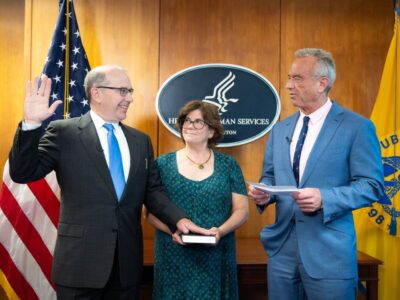
Podcast With Anthony Letai’s appointment, NCI is now under new leadership—just in time for a shutdown October 01, 2025Vol.51 No.35
Guest Editorial Population-based cancer surveillance is a national treasure at risk September 26, 2025Vol.51 No.35By Eric B. Durbin, Karen L. Knight, Betsy Kohler and Sarah Nash
NCI Anthony G. Letai to be named NCI directorThe Dana-Farber and Harvard physician-scientist is an inspired choice, colleagues say September 25, 2025Vol.51 No.35By Claire Marie Porter and Paul Goldberg
Podcast Congress seems to have NCI’s back—is cautious optimism warranted? Two former directors say yes. September 24, 2025Vol.51 No.34
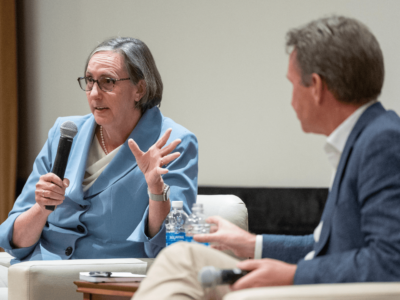
NCI is “really, really sturdy” and won’t break, former directors Ned Sharpless and Kim Rathmell say at UNC Lineberger symposium September 19, 2025Vol.51 No.34By Paul Goldberg