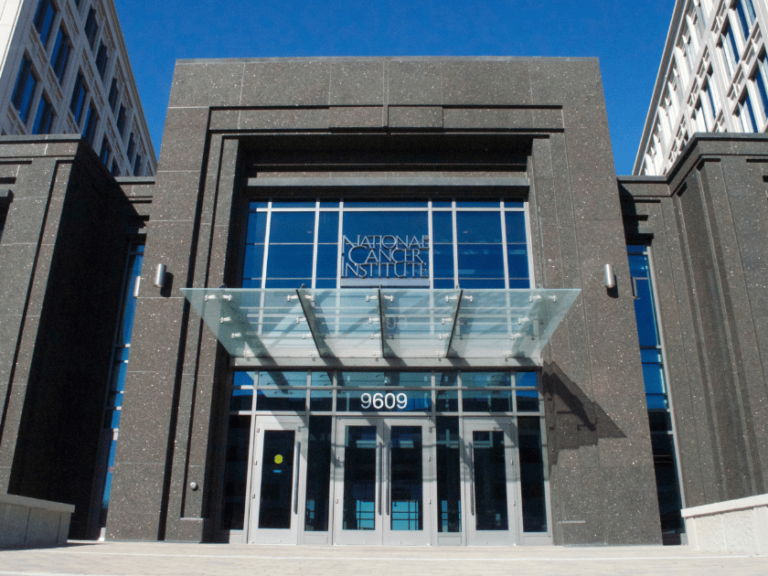
In December 1971, President Richard Nixon signed the National Cancer Act and declared a “War on Cancer.” In the past 54 years, the U.S. has invested $180 billion nominally, or approximately $322 billion when adjusted for inflation, in cancer research. This investment has paid dividends with more than 100 anticancer drugs brought to market in half a century—virtually all traceable to National Cancer Institute funding.
To access this subscriber-only content please log in or subscribe.
If your institution has a site license, log in with IP-login or register for a sponsored account.*
*Not all site licenses are enrolled in sponsored accounts.
Login Subscribe
If your institution has a site license, log in with IP-login or register for a sponsored account.*
*Not all site licenses are enrolled in sponsored accounts.
Login Subscribe