


Directors of NCI-designated cancer centers are facing a new set of challenges in a polarizing, high-stakes election year.

Christopher Li, the Helen G. Edson Endowed Chair for Breast Cancer Research at Fred Hutchinson Cancer Center, understands what it means to be an underrepresented minority at each stage of his academic career.
Researchers at the Indiana University Melvin and Bren Simon Comprehensive Cancer Center and the IU School of Medicine have discovered that Black patients with breast cancer who are treated with docetaxel experience less peripheral neuropathy. Their findings represent an important shift in knowledge about a patient population who’ve historically been underrepresented in breast cancer research.
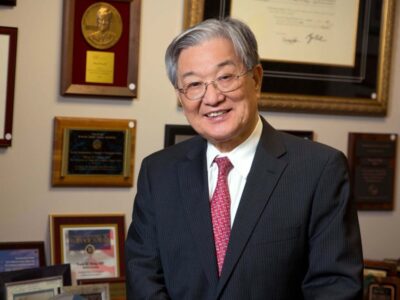
If lifetime impact could be quantified by pages in The Cancer Letter, no person has been more revered than Waun Ki Hong: following Hong’s death in 2019, The Cancer Letter published no fewer than six obituaries. Now, you can hear his story in his own words.
Ray Blind, Ingram Assistant Professor of Cancer Research, was named associate director for diversity, equity, and inclusion at Vanderbilt-Ingram Cancer Center.
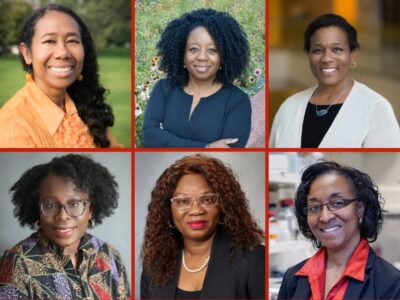
People of African ancestry (Black/African American) have some of the worst cancer incidence and greatest mortality, compared to white and other racial and ethnic populations in the U.S1-3. On average, Black persons are 1.5 times more likely to have cancer and >2X more likely to die from cancer compared to whites.4-6

To address inequities in cancer health, NCI is collaborating with a diverse team of experts and cancer center directors—named the Cancer Equity Leaders (CEL)—to learn from communities and inform workforce development as well as outreach initiatives.
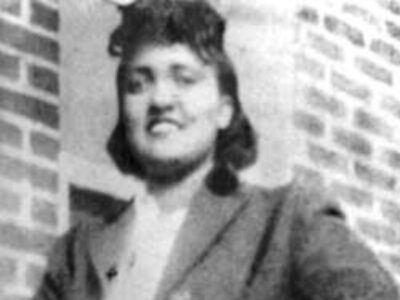
In an article for the Cancer History Project, the American Cancer Society and the American Cancer Society Cancer Action Network celebrate six trailblazing Black leaders and pioneers who have made a lasting impact on health equity in oncology.

In 2018, Narjust Florez was attending a panel at the annual meeting of the American Society of Clinical Oncology, and on the stage were three physicians—one woman and two men.

On her first day of medical school at the University of Virginia in 1963, Vivian Pinn waited for the other students who looked like her to show up.


