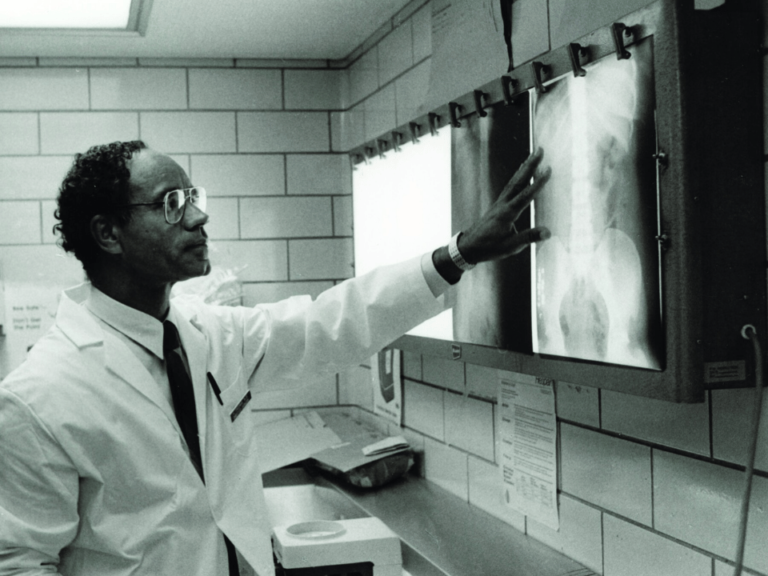
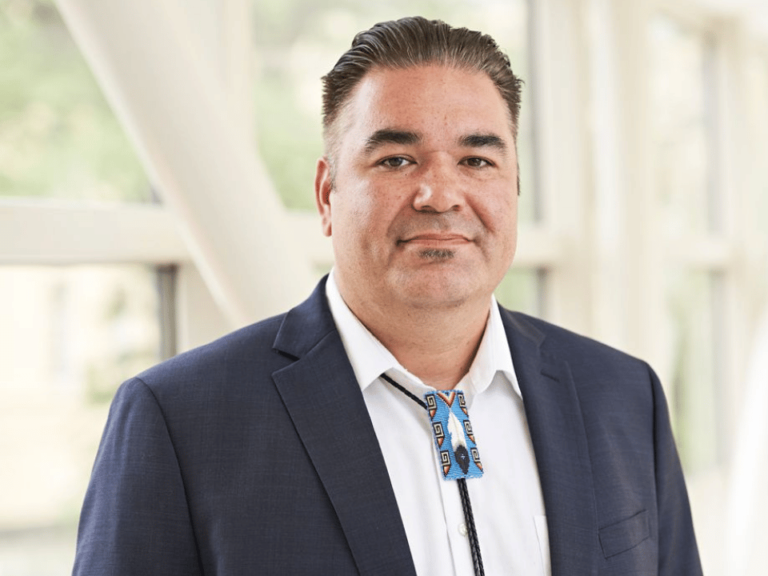
In an article for the Cancer History Project, the American Cancer Society and the American Cancer Society Cancer Action Network celebrate six trailblazing Black leaders and pioneers who have made a lasting impact on health equity in oncology.
Black Leaders Who Changed the Face of Equitable Cancer Care
By American Cancer Society, April 4, 2024
Everyone deserves a fair and just opportunity to prevent, detect, treat, and survive cancer.
The American Cancer Society and the American Cancer Society Cancer Action Network is celebrating trailblazing Black leaders and pioneers who paralleled this through their critical contributions to cancer research and prevention, health equity, and reducing disparities across the cancer continuum.
Profiled in this article:
- Dr. Jane Cooke Wright
- Dr. LaSalle D. Leffall, Jr.
- Dr. Lori Pierce
- Dr. Harold P. Freeman
- Henrietta Lacks
- Dr. Robert A. Winn
Read more on the Cancer History Project.
Related articles

- Before her legendary career at NIH, Vivian Pinn was the second Black woman to graduate from UVA med school
By Cancer History Project, March 1, 2024

- ‘The house that Jack built’: remembering Howard University’s Jack E. White
By Robert A. Winn, Feb. 24, 2023

- Selwyn Vickers: Health equity is the most challenging burden of academic medicine
By Cancer History Project, Feb. 17, 2023

- Otis Brawley & Robert Winn discuss the killing of Tyre Nichols and the power dynamics in policing—and health care
By Cancer History Project, Feb. 3, 2023
- WHO Director-General Grants Posthumous Award to Henrietta Lacks
By ASCO, Sept. 21, 2022

- Black History Month panel: “We need to talk about justice”
By Cancer History Project, Feb. 25, 2022

- Edith Mitchell on her path from Tennessee farm to becoming a cancer doctor and brigadier general
By Cancer History Project, Feb. 18, 2022

- Harold Freeman, father of patient navigation, on cutting the cancer out of Harlem
By Cancer History Project, Feb. 11, 2022

- Wayne Frederick on the legacy of LaSalle Leffall, Jr.
By Cancer History Project, Feb. 4, 2022

- Camille Ragin: A Mission to Fight Disparities in Cancer Care
By Fox Chase Cancer Center, Jan. 24, 2022

- Remembering Jane Cooke Wright, a Black woman, who was among seven founders of ASCO
By The Cancer Letter, Feb. 19, 2021

- Remembering Ida J. Spruill: A pioneer in cancer health disparities research
By MUSC Hollings Cancer Center, Feb. 1, 2021
This column features the latest posts to the Cancer History Project by our growing list of contributors.
The Cancer History Project is a free, web-based, collaborative resource intended to mark the 50th anniversary of the National Cancer Act and designed to continue in perpetuity. The objective is to assemble a robust collection of historical documents and make them freely available.
Access to the Cancer History Project is open to the public at CancerHistoryProject.com. You can also follow us on Twitter at @CancerHistProj, or follow our podcast.
Is your institution a contributor to the Cancer History Project? Eligible institutions include cancer centers, advocacy groups, professional societies, pharmaceutical companies, and key organizations in oncology.
To apply to become a contributor, please contact admin@cancerhistoryproject.com.