OpenEvidence integrates ASCO guidelines, figures, and flowcharts into specialty oncology model

Share on facebook
Share on twitter
Share on linkedin
Share on email
Share on print

OpenEvidence announced an integration of ASCO Guidelines, figures, and flowcharts into the OpenEvidence model.

To access this subscriber-only content please log in or subscribe.

If your institution has a site license, log in with IP-login or register for a sponsored account.*
*Not all site licenses are enrolled in sponsored accounts.

Login Subscribe
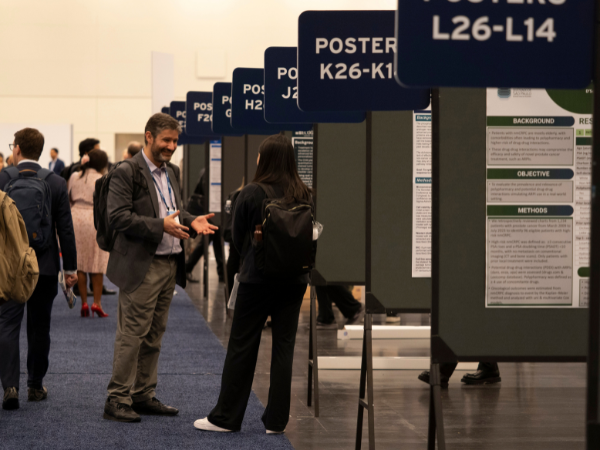
Table of Contents

YOU MAY BE INTERESTED IN

Artificial intelligence is rapidly transforming biomedical research and healthcare. Large language models, foundation models, and AI agents are increasingly being deployed to assist with data interpretation, literature review, clinical decision support, and translational research. 
In modern oncology, important insights from clinical trials often emerge years after initial publication. As new therapies extend survival and transition more patients into long-term remissions, clinicians and researchers are increasingly looking beyond initial response rates to understand durability, long-term safety, and even the possibility of a cure. 
If you believe in the miraculous healing power of ivermectin, hydroxychloroquine, and the harm from vaccination for HPV and COVID-19, you’ve got a powerful friend in Sen. Ron Johnson (R-WI), chair of the Permanent Subcommittee on Investigations of the Senate Committee on Homeland Security and Governmental Affairs.
In a poignant keynote punctuated with anecdotes about grief, American Society of Clinical Oncology’s immediate past president Eric Small emphasized that the annual conference is not just about scientific discovery, but about a responsibility to translate discoveries into better outcomes for cancer patients globally. 

Never miss an issue!

Get alerts for our award-winning coverage in your inbox.

Login