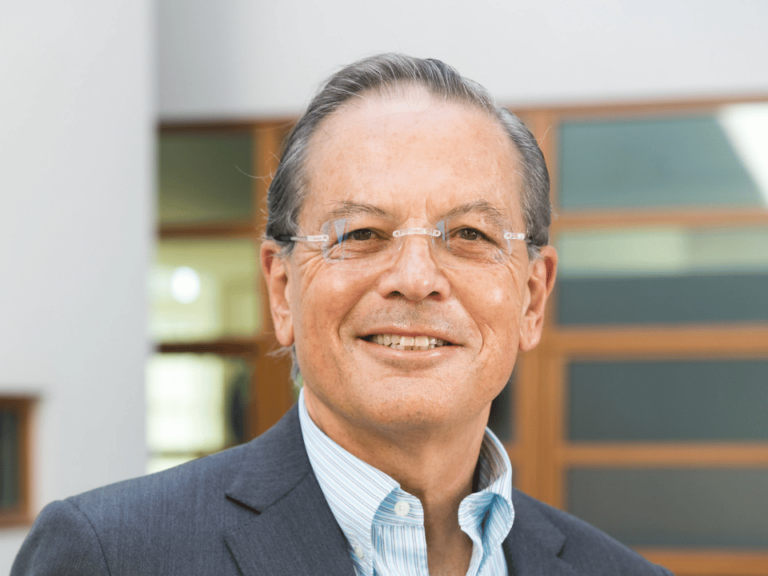
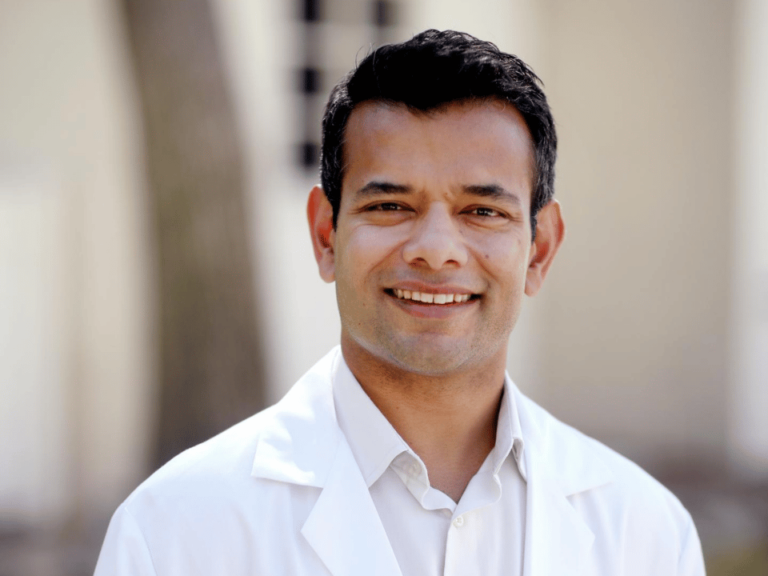
Five researchers have received the 2021 New Discoveries Young Investigator Awards from the Bladder Cancer Advocacy Network.
This is the first year BCAN has presented five awards.
- The 2021 New Discoveries Young Investigator Awards went to Brendan Guercio, a Hematology/Oncology fellow at Memorial Sloan Kettering Cancer Center, and Eugene Pietzak, assistant attending surgeon (urologic oncology) at Memorial Sloan Kettering Cancer Center. Guercio’s project title is “Associations of Patient Diet and Benefit from Immunotherapy in Urothelial Carcinoma” and Pietzak’s is titled “Defining the Clinical Impact and Molecular Drivers of ‘Secondary’ Muscle-Invasive Bladder Cancer.”
Each Young Investigator Award provides a $50,000 grant that supports one year of early career bladder cancer research. Since 2009, BCAN has awarded more than $5.5 million to promising scientists and research investigators across the country and these awards demonstrate that the important work to improve the understanding of bladder cancer and its impact on patients and families continues.
- The two 2021 Palm Beach New Discoveries Young Investigator awardees are Filipe De Carvalho, urologic oncology fellow at Brigham and Women’s Hospital, and Benjamin Miron, medical oncology fellow at Fox Chase Cancer Center. The title of Carvalho’s awarded project is “Clonal Architecture and Tumor Microenvironment of Cisplatin Resistant Localized Muscle Invasive Bladder Cancer” and Miron’s is “Relationship of Circulating Tumor DNA in Patients with Muscle Invasive Bladder Cancer to Pathologic Staging and Disease Prognosis.”
- The 2021 New Discoveries Young Investigator Award for Patient Centered Research was awarded to Svetlana Avulova, urologic oncology fellow at Mayo Clinic. Avulova’s project is titled “Sexual Function in Women Undergoing Radical Cystectomy.”