St. Baldrick’s commits $8 million to SU2C Pediatric Cancer Dream Team

Share on facebook
Share on twitter
Share on linkedin
Share on email
Share on print

The work of the Stand Up to Cancer-St. Baldrick’s Foundation Pediatric Cancer Dream Team, launched in 2013 to help develop new immunotherapy approaches to high-risk childhood cancers, will continue with a commitment of $8 million from the St. Baldrick’s Foundation, the world’s largest private funder of childhood cancer research grants. To further the impact of this gift, the eight institutions that make up the consortium have committed matching dollars to a total of $16 million.

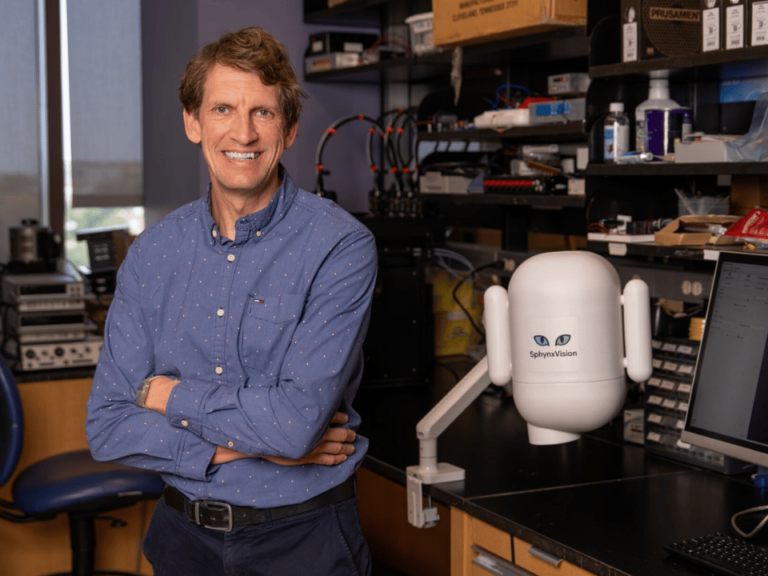
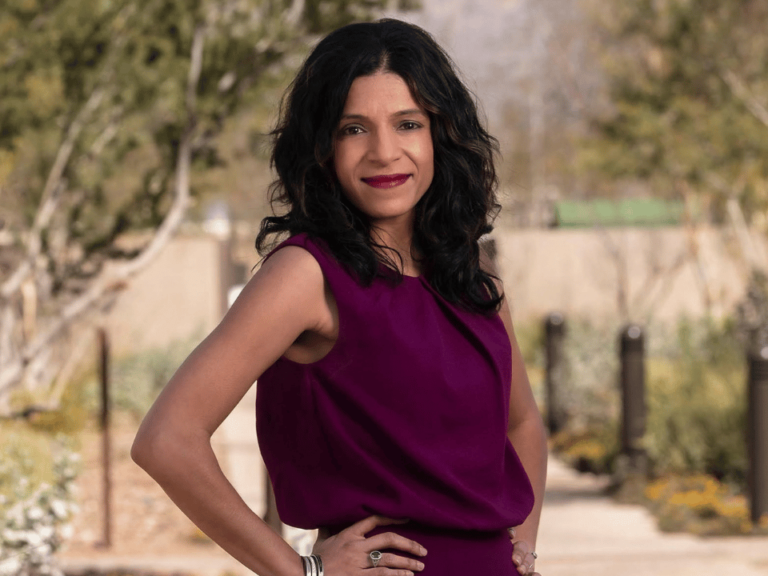
Continuing as co-leaders of the newly charged St. Baldrick’s-Stand Up to Cancer Pediatric Cancer Dream Team are John Maris, pediatric oncologist and holder of the Giulio D’Angio Chair in Neuroblastoma Research at Children’s Hospital of Philadelphia, and Crystal Mackall, professor of pediatrics (hematology and oncology) at Stanford University and associate director of the Stanford Cancer Institute.

St. Baldrick’s and Stand Up to Cancer initially provided the Dream Team, consisting of more than 150 researchers at eight institutions, with $14.5 million over a four-year term beginning in 2013. The Dream Team worked to improve and expand immunotherapy in childhood cancers.

YOU MAY BE INTERESTED IN

Physician-scientists by day, a funk-loving musical troupe by night. You may have seen The CheckPoints—a 13 member cover band with a three-piece brass section and Jim Allison on harmonica—movin’, groovin’, and gettin’ down as a mainstay closing act at ASCO, AACR, or the Society for Immunotherapy of Cancer annual meetings.
At the 2026 Annual Meeting of the American Society of Clinical Oncology in Chicago, results from the phase III HARMONi-6 trial were presented at the plenary session and published simultaneously in The Lancet. The HARMONi-6 trial tested a novel bispecific antibody that engages PD-1 and VEGF (ivonescimab), given with platinum-doublet chemotherapy to patients with previously untreated advanced squamous non-small cell lung cancer. 
In 2026, more than 900 million people are estimated to be regularly using generative artificial intelligence—computer systems capable of creating human-like text, images, audio, video, and other original content. AI is becoming integrated into nearly every aspect of daily life. Health care is no exception. 

Never miss an issue!

Get alerts for our award-winning coverage in your inbox.

Login