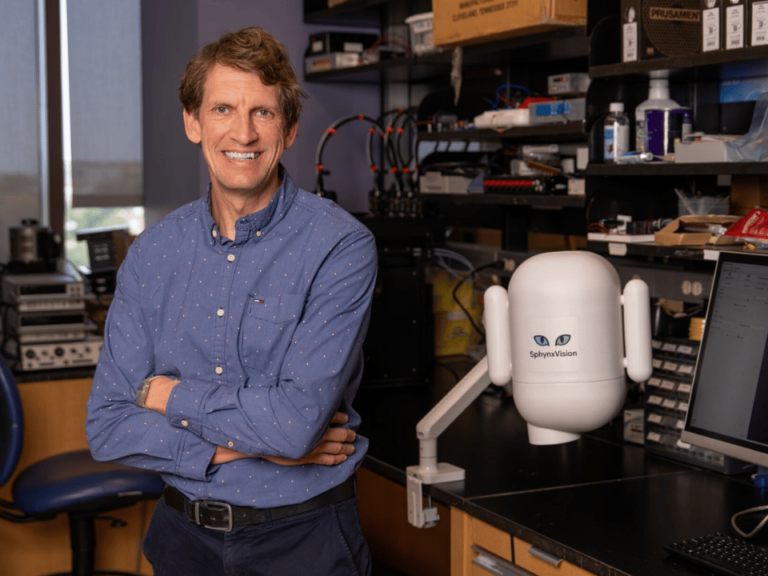
JEAN-YVES DOUILLARD was appointed the first chief medical officer of the European Society for Medical Oncology. A senior staff position based at the Society’s headquarters in Lugano, Switzerland for a fixed two-year term, the CMO will lead the development of ESMO’s scientific strategy and activities.
Douillard’s appointment follows a six-month selection process open to all ESMO members with the necessary high-level qualifications and experience for the role. Candidates were also required to have held senior ESMO leadership positions.
In a career spanning more than 30 years, Douillard has achieved international recognition as a leading expert in lung cancer and gastrointestinal oncology, holding a number of leadership positions.
At the University of Nantes, he was professor in medical oncology, while at the Integrated Centers of Oncology Rene Gauducheau, also in Nantes, he was head of the Medical Oncology Department and later director of clinical and translational research. In addition, he spent a total of four years working in the U.S., initially at the NCI and later at the FDA Center for Drug Evaluation and Research.
Douillard has led clinical trials in relation to lung cancer and GI tumors and investigated targeted therapies, publishing his work in leading scientific journals. He has also served as chair of the ESMO Educational Committee and as a member of the society’s executive board.