How next generation sequencing is powering the shift to more accessible—and comprehensive—cancer care

Share on facebook
Share on twitter
Share on linkedin
Share on email
Share on print

Research1 has shown that delivering tumor profiling results to cancer patients prior to initiation of treatment and connecting patients harboring an actionable oncogenic mutation with the right targeted therapy can deliver superior patient outcomes. To fulfill this promise of precision medicine, we need to ensure more targeted therapies are available to patients who need them. Fortunately, this work is well underway. 

To access this subscriber-only content please log in or subscribe.

If your institution has a site license, log in with IP-login or register for a sponsored account.*
*Not all site licenses are enrolled in sponsored accounts.

Login Subscribe
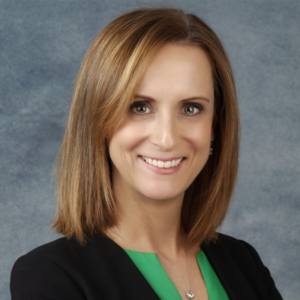
Kathy Davy, MBA
President, Clinical Next-Generation Sequencing, Thermo Fisher Scientific
Table of Contents

YOU MAY BE INTERESTED IN

Curebound has announced eight grants for a total of $2 million in funding. The funding is made available through two new Curebound programs: Catalyst Grants, which support projects within early-stage life science companies that are seeking to take innovative discoveries to commercially approved products, and Equity Grants, which focus on overcoming disparities in cancer research and treatment in underserved populations.
Xavier Apolinarski (left), vice president of innovation at Université Paris-Saclay, and Eric Durand (right), chief research and technology officer at Owkin at the signing of the deal between Université Paris-Saclay and Owkin.Université Paris-Saclay and Owkin announce the signing of a memorandum of understanding to explore the potential of K Pro Free—Owkin’s AI co-pilot for biology—for use by Université Paris-Saclay.
Kathy Davy, MBA
President, Clinical Next-Generation Sequencing, Thermo Fisher Scientific

Never miss an issue!

Get alerts for our award-winning coverage in your inbox.

Login