AACR, AstraZeneca form training partnership

Share on facebook
Share on twitter
Share on linkedin
Share on email
Share on print

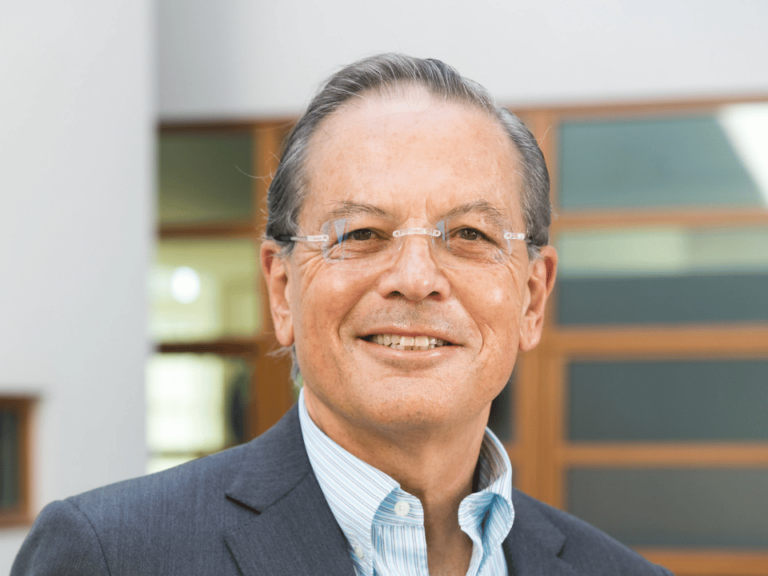
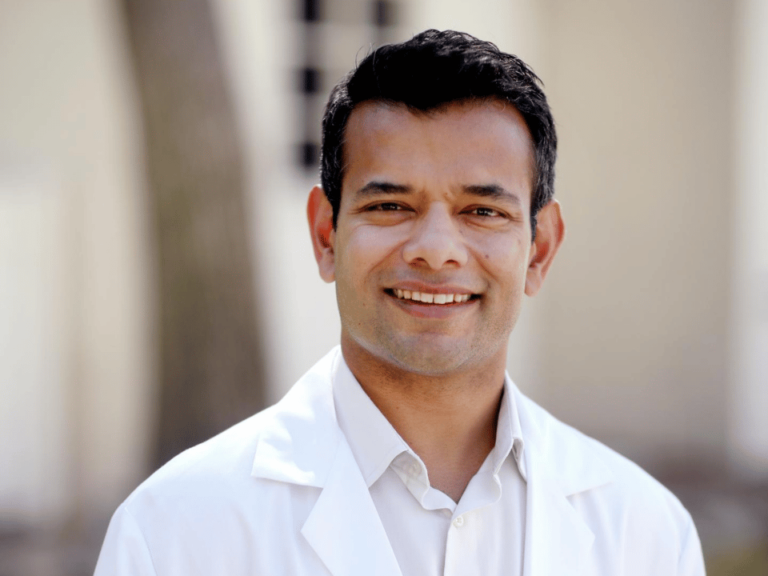
The American Association for Cancer Research and AstraZeneca formed a partnership to help foster the next generation of cancer research scientists and stimulate innovative research in the areas of DNA Damage Response in cancer and Immuno-Oncology. This funding opportunity, funded by a grant of $2.9 million from AstraZeneca, will provide support for 12 meritorious postdoctoral...

To access this subscriber-only content please log in or subscribe.

If your institution has a site license, log in with IP-login or register for a sponsored account.*
*Not all site licenses are enrolled in sponsored accounts.

Login Subscribe

Table of Contents

YOU MAY BE INTERESTED IN

When our hematological malignancy testing pilot project began in Eldoret, Kenya, there seemed to be a mismatch in relation to progress in healthcare. The region, like much of sub-Saharan Africa, had been focusing on combatting infectious diseases such as HIV and malaria—which was much-needed—yet cancer care was under-resourced. 
Artificial intelligence is rapidly transforming biomedical research and healthcare. Large language models, foundation models, and AI agents are increasingly being deployed to assist with data interpretation, literature review, clinical decision support, and translational research. 
In modern oncology, important insights from clinical trials often emerge years after initial publication. As new therapies extend survival and transition more patients into long-term remissions, clinicians and researchers are increasingly looking beyond initial response rates to understand durability, long-term safety, and even the possibility of a cure. 

Never miss an issue!

Get alerts for our award-winning coverage in your inbox.

Login