MD Anderson and Deerfield Management create company to inhibit autophagy

Share on facebook
Share on twitter
Share on linkedin
Share on email
Share on print

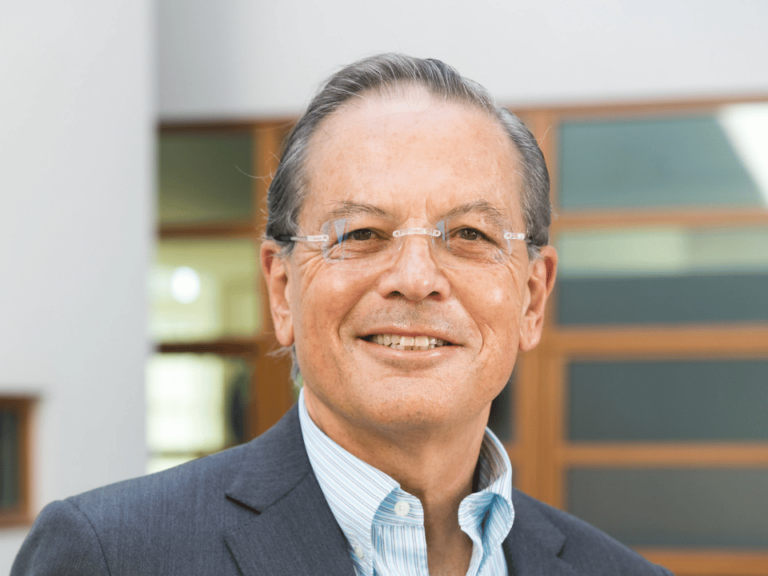
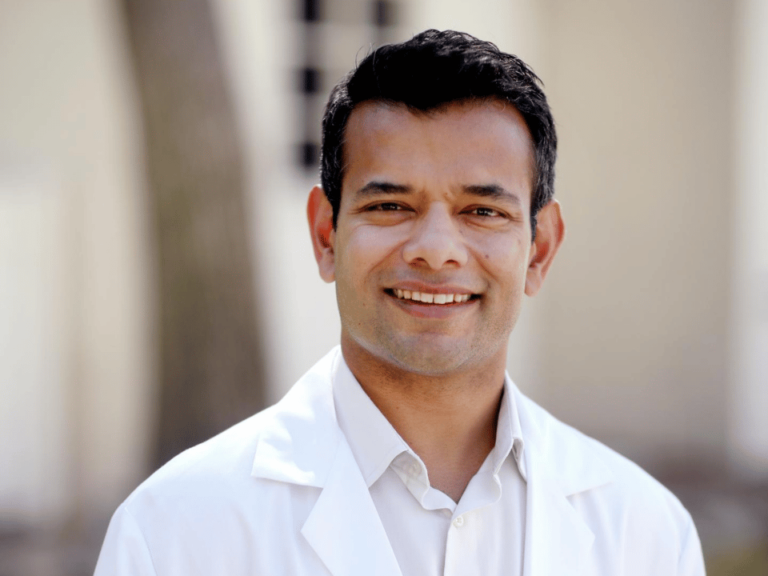
Vescor LLC, a new company focused on discovery and development of autophagy targeted therapeutics for cancer treatment, was formed by MD Anderson Cancer Center, Deerfield Management and two autophagy experts, Eileen White, deputy director and associate director for Basic Science, Rutgers Cancer Institute of New Jersey, and Alec Kimmelman, chairman, Department of Radiation Oncology at NYU Langone Medical Center and a member of the Perlmutter Cancer Center at NYU Langone.

Vescor, advised by its scientific founders White and Kimmelman, will develop small molecule inhibitors of a number of protein targets at critical nodes of the autophagy cascade, perform investigational new drug enabling studies, and move these into clinical development.

MD Anderson’s Institute for Applied Cancer Science, in combination with Deerfield, will provide drug discovery and development expertise, together with translational research focused at advancing autophagy therapeutics into trials in melanoma, lung and pancreatic cancers.

Vescor’s core activities will be performed at IACS, while managerial and operational expertise will be provided by both IACS and Deerfield.


Table of Contents

YOU MAY BE INTERESTED IN

When our hematological malignancy testing pilot project began in Eldoret, Kenya, there seemed to be a mismatch in relation to progress in healthcare. The region, like much of sub-Saharan Africa, had been focusing on combatting infectious diseases such as HIV and malaria—which was much-needed—yet cancer care was under-resourced. 
Artificial intelligence is rapidly transforming biomedical research and healthcare. Large language models, foundation models, and AI agents are increasingly being deployed to assist with data interpretation, literature review, clinical decision support, and translational research. 
In modern oncology, important insights from clinical trials often emerge years after initial publication. As new therapies extend survival and transition more patients into long-term remissions, clinicians and researchers are increasingly looking beyond initial response rates to understand durability, long-term safety, and even the possibility of a cure. 

Never miss an issue!

Get alerts for our award-winning coverage in your inbox.

Login