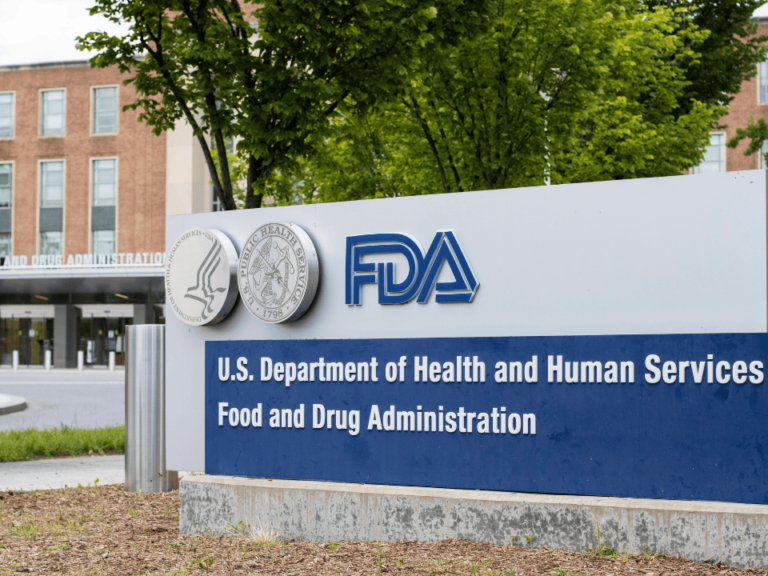
The right-to-try bills passed by Congress would remove FDA’s expanded access mandate and leave patients at greater risk, said Arthur Caplan, the Drs. William F. and Virginia Connolly Mitty Professor and founding director of the Division of Medical Ethics at the New York University School of Medicine.
To access this subscriber-only content please log in or subscribe.
If your institution has a site license, log in with IP-login or register for a sponsored account.*
*Not all site licenses are enrolled in sponsored accounts.
Login Subscribe
If your institution has a site license, log in with IP-login or register for a sponsored account.*
*Not all site licenses are enrolled in sponsored accounts.
Login Subscribe