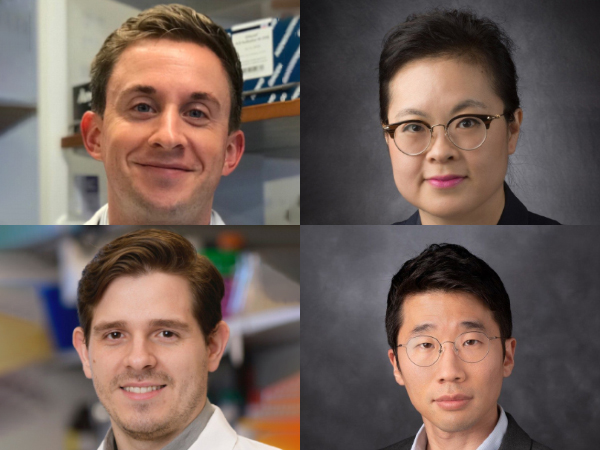
Researchers from The University of Texas MD Anderson Cancer Center have found that simultaneously blocking two key “don’t eat me” signals found in cancer cells heightens the immune response and sensitizes tumors to immunotherapy in models of glioblastoma, highlighting a promising strategy.
To access this subscriber-only content please log in or subscribe.
If your institution has a site license, log in with IP-login or register for a sponsored account.*
*Not all site licenses are enrolled in sponsored accounts.
Login Subscribe
If your institution has a site license, log in with IP-login or register for a sponsored account.*
*Not all site licenses are enrolled in sponsored accounts.
Login Subscribe