Outpatient administration of CAR T-cell therapy shows promising outcomes for lymphoma

Share on facebook
Share on twitter
Share on linkedin
Share on email
Share on print

The ZUMA-24 phase II clinical trial demonstrates the safety and feasibility of administering Yescarta (axi-cel) in the outpatient setting when treating relapsed or refractory large B-cell lymphoma. 

To access this subscriber-only content please log in or subscribe.

If your institution has a site license, log in with IP-login or register for a sponsored account.*
*Not all site licenses are enrolled in sponsored accounts.

Login Subscribe
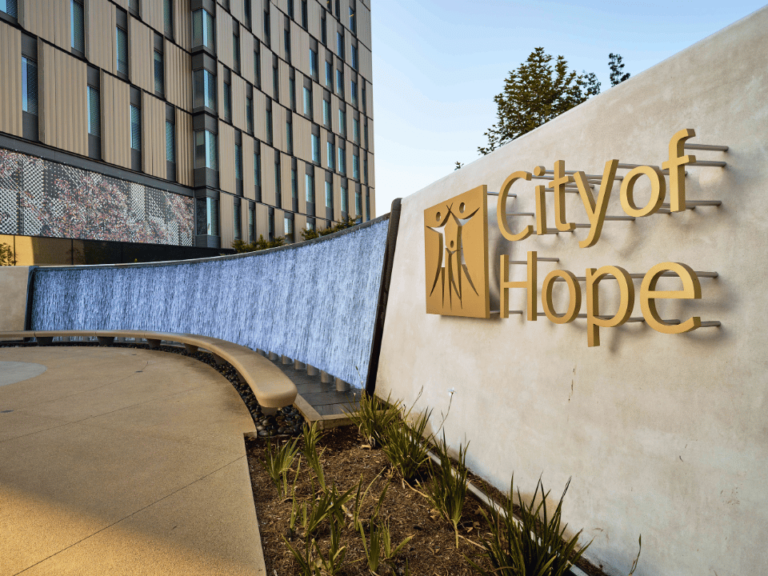
Table of Contents

YOU MAY BE INTERESTED IN

Researchers from City of Hope have developed a “plug-and-play” technology that adds engineered molecules to chimeric antigen receptor T cells after treatment, allowing scientists to better control the cells and redirect them to attack different types of cancer. The preclinical study offers a more flexible way to help CAR T cells keep pace with mutating tumors.
Jaypirca (pirtobrutinib), a non-covalent Bruton tyrosine kinase inhibitor, plus a two-year venetoclax and rituximab regimen versus venetoclax and rituximab in patients with relapsed or refractory chronic lymphocytic leukemia or small lymphocytic lymphoma reduced the risk of disease progression or death by 45% (HR=0.55 [95% CI, 0.40-0.75]; p=0.0001), according to the results of the phase III BRUIN CLL-322 trial. The study met its primary endpoint of independent review committee-assessed progression-free survival.

Never miss an issue!

Get alerts for our award-winning coverage in your inbox.

Login