AI improves breast cancer diagnosis

Share on facebook
Share on twitter
Share on linkedin
Share on email
Share on print

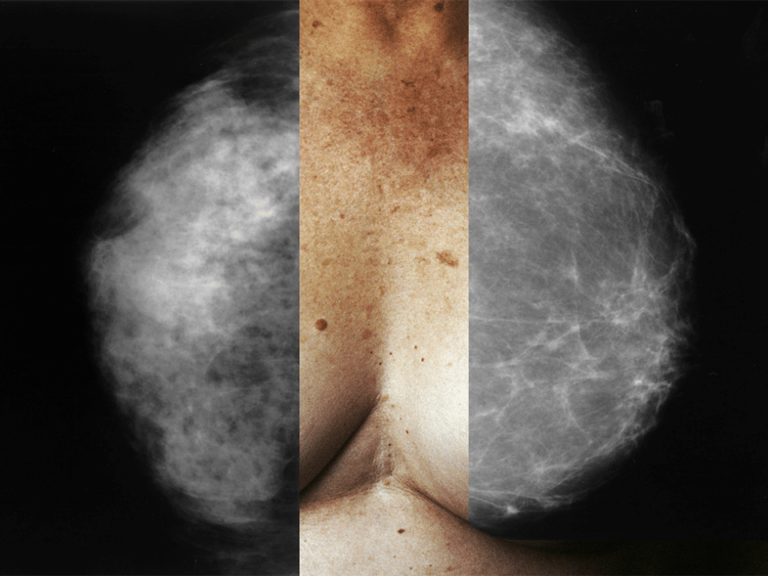
Artificial Intelligence can improve breast cancer detection and reduce workload on physicians, according to a new study featuring over 461,000 women. The research published in the journal Nature Medicine looked at integrating an AI tool as part of a national screening program for women without symptoms of breast cancer in Germany.

To access this subscriber-only content please log in or subscribe.

If your institution has a site license, log in with IP-login or register for a sponsored account.*
*Not all site licenses are enrolled in sponsored accounts.

Login Subscribe

Table of Contents

YOU MAY BE INTERESTED IN

Jason Chiang and Kyung Sung of the Department of Radiological Sciences at the David Geffen School of Medicine at UCLA and the UCLA Health Jonsson Comprehensive Cancer Center have received a $3.2 million, five-year grant from NCI to develop an artificial intelligence-enhanced imaging platform designed to improve yttrium-90 (Y90) radioembolization planning for patients with liver cancer.
Further positive results from the phase III SERENA-6 trial showed camizestrant plus a cyclin-dependent kinase 4/6 inhibitor—palbociclib, ribociclib or abemaciclib—maintained its progression-free survival benefit with longer follow-up and delivered a statistically significant and clinically meaningful improvement in second progression-free survival, demonstrating sustained benefit beyond initial treatment. 

Never miss an issue!

Get alerts for our award-winning coverage in your inbox.

Login