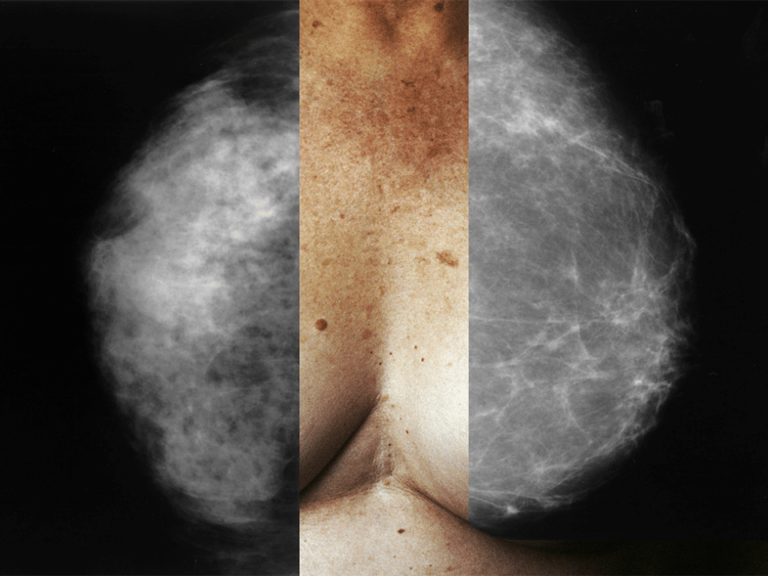
For over 50 years, scientists have been on a quest to identify which malignant mutations within the tumor allow rogue cells to break away from the primary tumor and travel through the bloodstream and lymphatic system to metastasize throughout the body. Now, new research suggests an alternative mechanism has been overlooked—elusive mutations driving metastasis may not be developing within the twisted DNA of tumors themselves, but within the patient’s regular, inherited DNA.
To access this subscriber-only content please log in or subscribe.
If your institution has a site license, log in with IP-login or register for a sponsored account.*
*Not all site licenses are enrolled in sponsored accounts.
Login Subscribe
If your institution has a site license, log in with IP-login or register for a sponsored account.*
*Not all site licenses are enrolled in sponsored accounts.
Login Subscribe