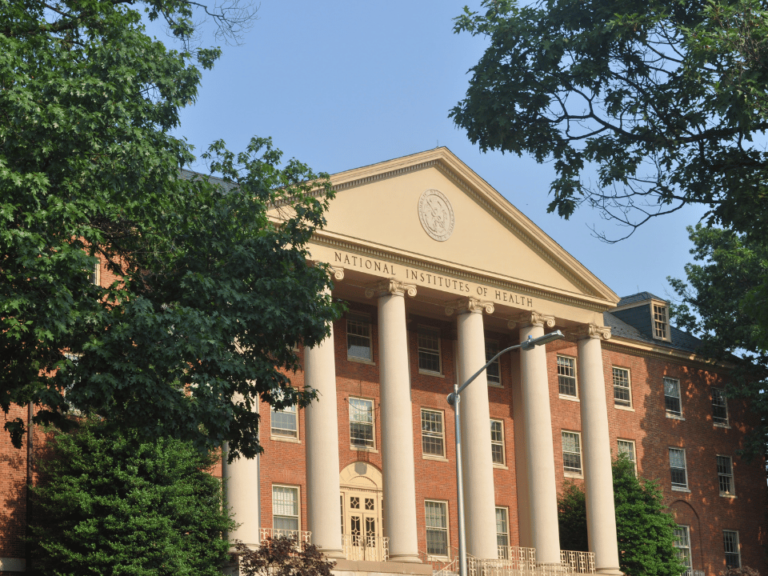
NIH study links neighborhood environment to prostate cancer risk in men with West African genetic ancestry

Share on facebook
Share on twitter
Share on linkedin
Share on email
Share on print

West African genetic ancestry was associated with increased prostate cancer among men living in disadvantaged neighborhoods but not among men living in more affluent neighborhoods, according to a new study led by NIH researchers. The findings suggest that neighborhood environment may play a role in determining how genetic ancestry influences prostate cancer risk. 

To access this subscriber-only content please log in or subscribe.

If your institution has a site license, log in with IP-login or register for a sponsored account.*
*Not all site licenses are enrolled in sponsored accounts.

Login Subscribe
Table of Contents

YOU MAY BE INTERESTED IN

At a lecture at Yale Cancer Center recently, Robert A. Winn brandished a copy of a 32-year old booklet titled “Cancer at a Crossroads: A Report to Congress for the Nation,” using it as a show-and-tell prop in arguing that America’s cancer program is once again at a crossroads and therefore in urgent need of strategic thinking (The Cancer Letter, April 10, 2026).
Pfizer announced positive topline results from the phase III TALAPRO-3 study of Talzenna (talazoparib), an oral poly ADP-ribose polymerase inhibitor, in combination with Xtandi (enzalutamide), an androgen receptor pathway inhibitor, in people with homologous recombination repair gene-mutated metastatic castration-sensitive prostate cancer, also known as metastatic hormone-sensitive prostate cancer.

Never miss an issue!

Get alerts for our award-winning coverage in your inbox.

Login