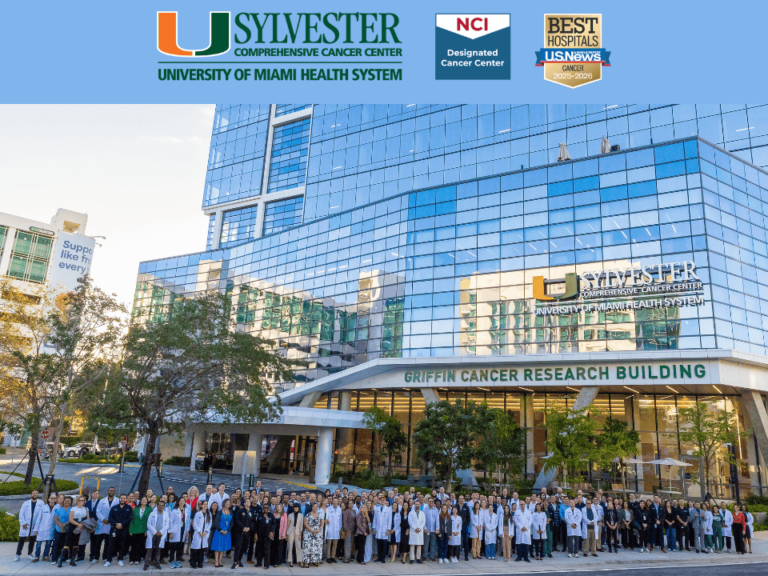
Researchers with the Sylvester Comprehensive Cancer Center at the University of Miami Miller School of Medicine and collaborators have shown that immature natural killer cells are present in patients with triple-negative breast cancer and likely promote, instead of inhibit, disease progression in this cancer type.
To access this subscriber-only content please log in or subscribe.
If your institution has a site license, log in with IP-login or register for a sponsored account.*
*Not all site licenses are enrolled in sponsored accounts.
Login Subscribe
If your institution has a site license, log in with IP-login or register for a sponsored account.*
*Not all site licenses are enrolled in sponsored accounts.
Login Subscribe