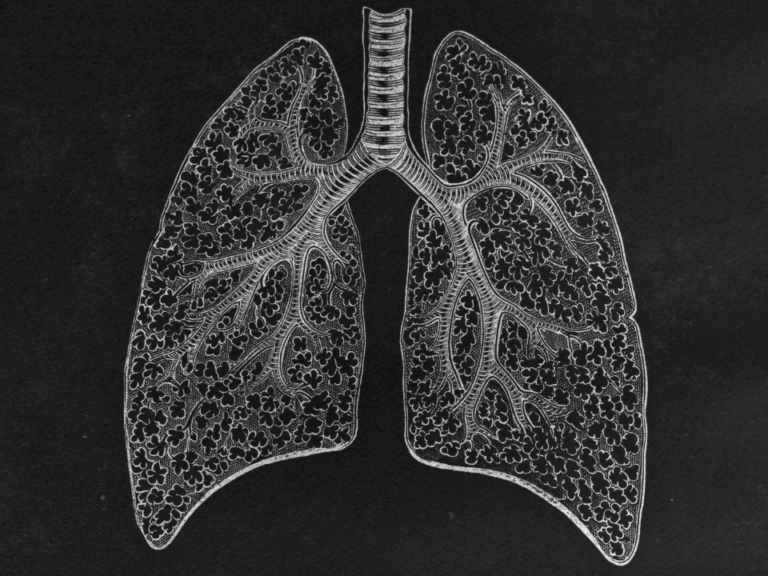
Utilizing artificial intelligence along with traditional pathology offers promise for swiftly developing treatment plans for patients with non-small cell lung cancers, a team led by UT Southwestern Medical Center researchers discovered.
To access this subscriber-only content please log in or subscribe.
If your institution has a site license, log in with IP-login or register for a sponsored account.*
*Not all site licenses are enrolled in sponsored accounts.
Login Subscribe
If your institution has a site license, log in with IP-login or register for a sponsored account.*
*Not all site licenses are enrolled in sponsored accounts.
Login Subscribe