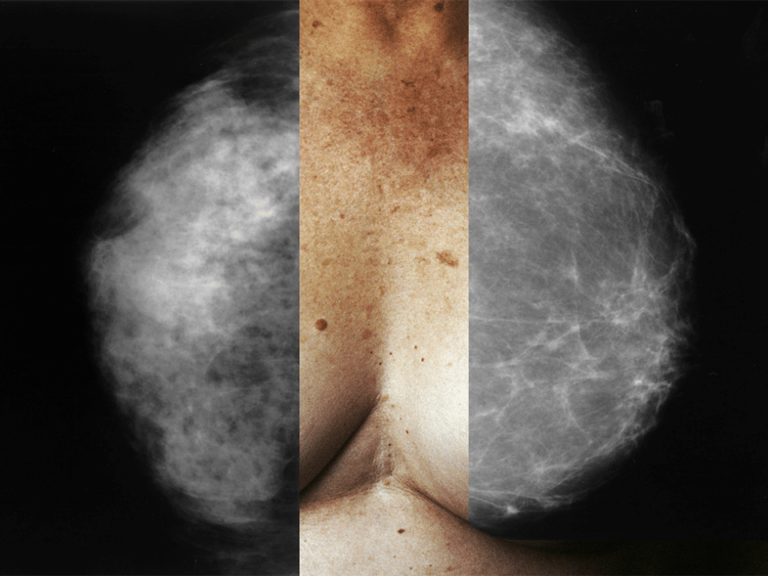
Racial and ethnic disparities persist for early-stage breast cancer detection and survival

Share on facebook
Share on twitter
Share on linkedin
Share on email
Share on print

Breast cancer screening and early detection efforts have contributed to improved survival in recent decades, as breast cancer is more easily treated at early stages. But not all women have benefited equally. 

To access this subscriber-only content please log in or subscribe.

If your institution has a site license, log in with IP-login or register for a sponsored account.*
*Not all site licenses are enrolled in sponsored accounts.

Login Subscribe

Table of Contents

YOU MAY BE INTERESTED IN

Biologic drugs play an important role in treating cancers such as breast cancer and lymphoma, but their high costs can add to the financial burden of cancer care. Now, lower-cost versions known as biosimilars are gaining ground, and a study led by researchers at the UCLA Health Jonsson Comprehensive Cancer Center suggests their growing use is associated with lower costs for both insurers and patients.
Artificial intelligence may help radiologists identify subtle signs of breast cancers that are missed during routine mammograms—and some AI systems may even identify patterns associated with an increased risk of cancer before it becomes visible on a mammogram—but there are still many significant limitations, according to a review led by investigators at the UCLA Health Jonsson Comprehensive Cancer Center.
FDA approved imlunestrant (Inluriyo) in combination with abemaciclib (Verzenio), for adults with estrogen receptor (ER)-positive, human epidermal growth factor receptor 2 (HER2)-negative, estrogen receptor 1 (ESR1)-mutated advanced or metastatic breast cancer, as detected by an FDA-authorized test, with disease progression following at least one line of endocrine therapy. 

Never miss an issue!

Get alerts for our award-winning coverage in your inbox.

Login