Has Tecentriq earned a role in treatment of triple-negative breast cancer?

Here is what experts say

Share on facebook
Share on twitter
Share on linkedin
Share on email
Share on print

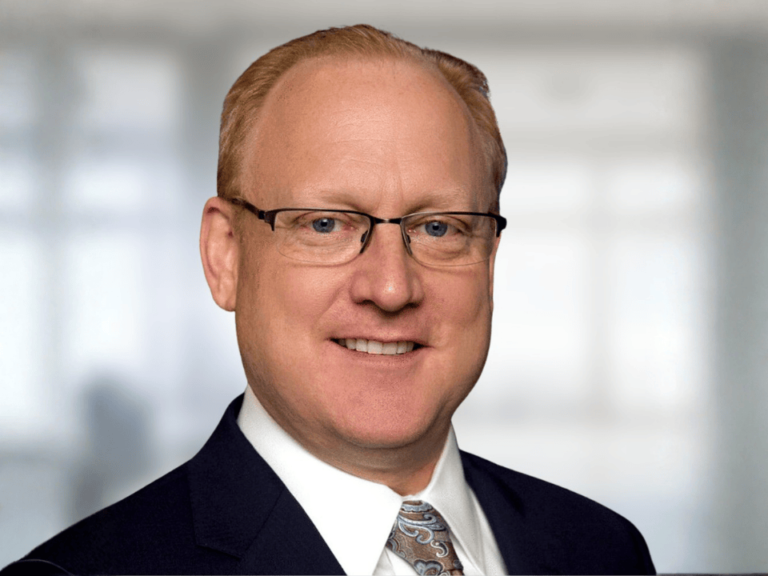
Daniel HayesStuart B. Padnos Professor of Breast Cancer Research,University of Michigan Rogel Cancer Center

Because we have been siloed into tissue-of-origin treatment bins (melanoma, lung, colorectal, breast, etc) over the last 100 or more years, we have applied these therapies based more on where the cancer was derived than on the biology of the cancer itself.

Obviously, the field of immune-oncology has been one of the great success stories in our field over the last five years, based on our molecular understanding of the mechanisms of immune tolerance (or checkpoints) and how to disrupt that. Not only has ASCO declared Checkpoint Inhibition (as well as cellular-based immunotherapy) the “Advance of the Year,” the Nobel Committee awarded this year’s Prize to Drs. Allison and Honjo for their fabulous observations that led to these great breakthroughs.

To access this subscriber-only content please log in or subscribe.

If your institution has a site license, log in with IP-login or register for a sponsored account.*
*Not all site licenses are enrolled in sponsored accounts.

Login Subscribe

Table of Contents

YOU MAY BE INTERESTED IN

In this episode of The Cancer Letter Podcast, Fran Visco, president of the National Breast Cancer Coalition, and Jacquelyn Cobb, managing editor of The Cancer Letter, discuss the Metastatic Breast Cancer Act, bipartisan legislation that would eliminate the waiting periods for Social Security Disability Insurance and Medicare for eligible people with metastatic breast cancer. 
Congress settled the FY26 question in February, with NCI receiving $7.352 billion, an increase of $128 million over the prior year. After a year in which cancer center directors spent an extraordinary share of their leadership attention defending the research enterprise, that outcome deserves to be called what it was: a win.
Harold P. Freeman, a surgeon who started his career in Harlem, where, in addition to performing surgeries, he pioneered the system of patient navigation, and who studied health disparities and served as president of the American Cancer Society and chair of the President’s Cancer Panel, died on Aug. 11. He was 93.

Never miss an issue!

Get alerts for our award-winning coverage in your inbox.

Login