How tumor-specific modulation frequencies were discovered

Share on facebook
Share on twitter
Share on linkedin
Share on email
Share on print

In the spring of 2001, I visited a longtime friend and collaborator, Alexandre Barbault, to share with him my vision of using low levels radiofrequency electromagnetic fields for the treatment of cancer.

To access this subscriber-only content please log in or subscribe.

If your institution has a site license, log in with IP-login or register for a sponsored account.*
*Not all site licenses are enrolled in sponsored accounts.

Login Subscribe
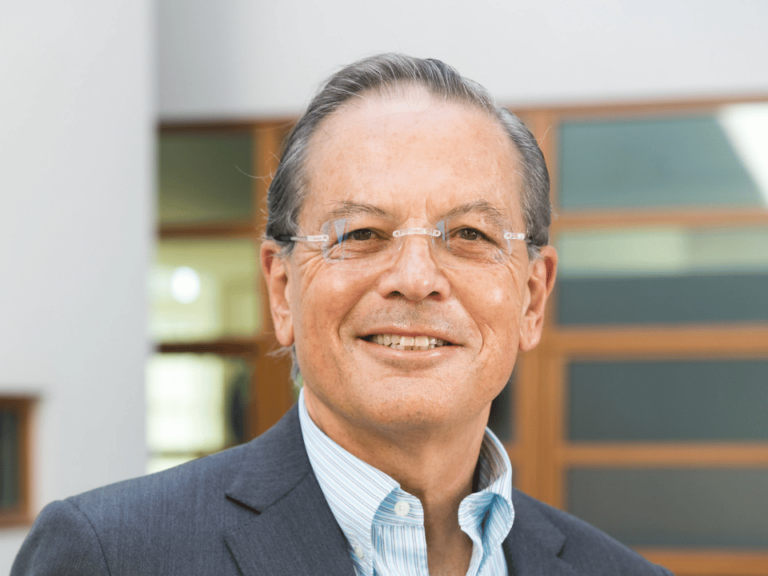
Boris C. Pasche
Charles L. Spurr Professor of Medicine, Chairman, Department of Cancer Biology; Director, Comprehensive Cancer Center of Wake Forest University

YOU MAY BE INTERESTED IN

Leadership is changing at The Wistar Institute and the Helen F. Graham Cancer Center & Research Institute in the months to come—but the leaders of the two institutions say that this will have little if any effect on the clinical-research collaboration that they have spent the past 15years building (The Cancer Letter, July 12, 2019). 
March is National Colorectal Cancer Awareness Month. It is a reminder of a heartbreaking trend that oncologists like me are witnessing in our clinics: Last year, for the first time, colorectal cancer became the leading cause of cancer-related death in Americans under the age of 50, according to data published earlier this year in JAMA.
Boris C. Pasche
Charles L. Spurr Professor of Medicine, Chairman, Department of Cancer Biology; Director, Comprehensive Cancer Center of Wake Forest University

Never miss an issue!

Get alerts for our award-winning coverage in your inbox.

Login