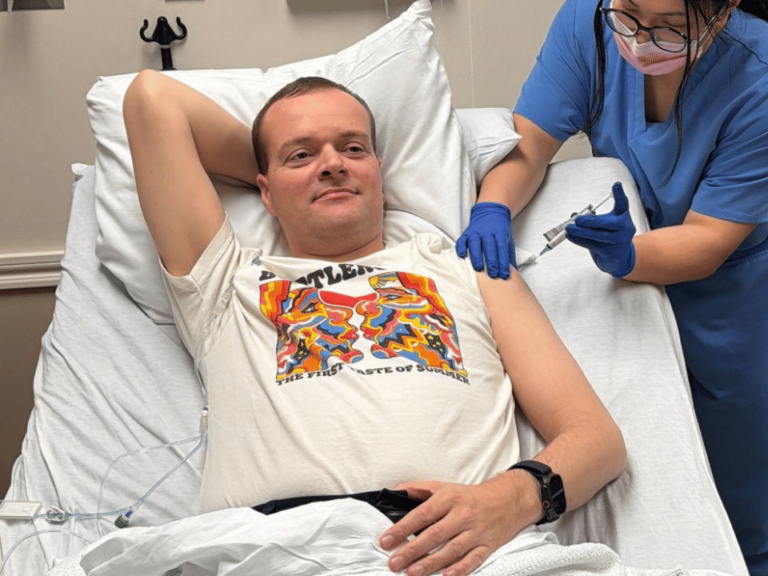
Isoray Inc. has entered a research grant agreement with the University of Cincinnati Physicians Company for a study on treatment of recurrent head and neck cancers.
University of Cincinnati Physicians Company is the multispecialty practice group for University of Cincinnati College of Medicine and UC Health.
The planned trial will evaluate the safety and early effectiveness of the addition of Keytruda (pembrolizumab) to the regimen of Cesium-131 with surgical resection. A total of 50 patients whose head and neck cancers have recurred and who are eligible for surgical resection are planned to be enrolled.
The study, a trial combining Keytruda and Cesium-131 brachytherapy with salvage surgery in head and neck squamous cell carcinoma, will be carried out under the direction of principal investigators Shuchi Gulati and Chad Zender at the University of Cincinnati Medical Center. There is potential for other centers to participate in the study.
A previous multi-institutional study has provided evidence that the use of Cesium-131 with surgical resection is well-tolerated in the treatment of recurrent head and neck cancers.