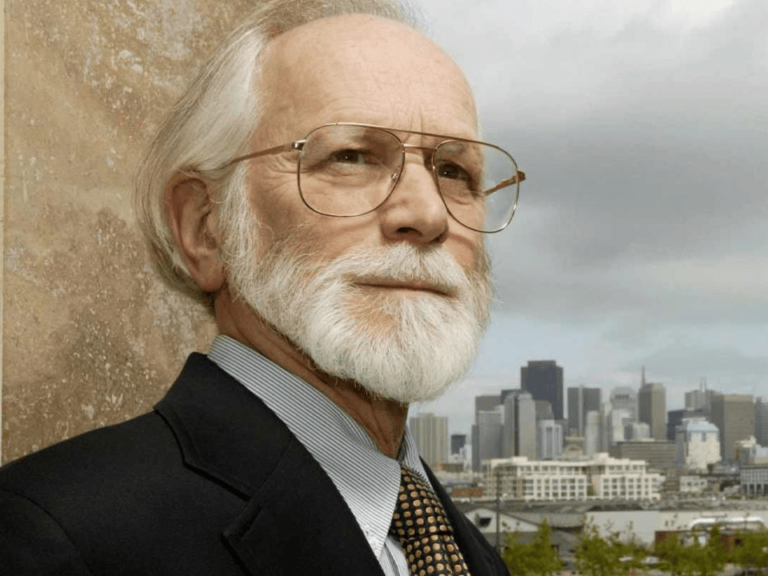
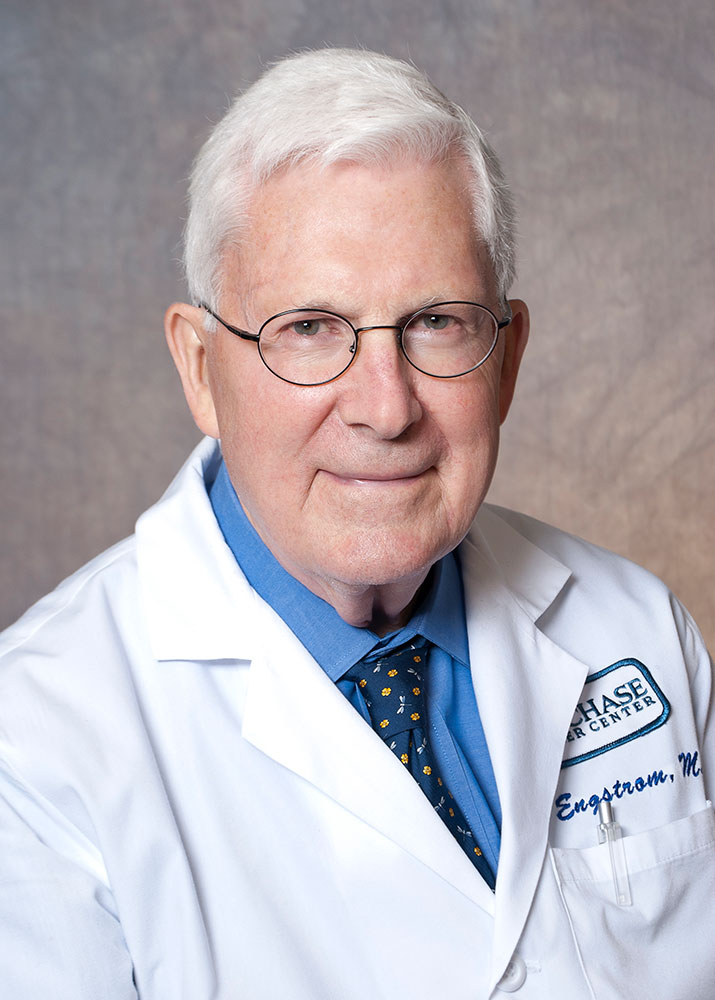
Paul F. Engstrom, a well-respected, longtime member of our Fox Chase Cancer Center community, died Dec. 26. He was 89.
Dr. Engstrom’s story is an impressive one. A world-renowned physician with small-town roots, he helped build a nationally ranked cancer center and set the standards of modern cancer care. We are proud that he spent most of his career—nearly 50 years—here at Fox Chase.
When he joined our medical staff in 1970, Dr. Engstrom was one of just three doctors. It was still several years before the formation of Fox Chase Cancer Center. He had moved to Philadelphia with his wife and three young children on a leap of faith. This cross-country journey brought them from Hawaii, where Dr. Engstrom served as the only trained hematologist/oncologist at Tripler Army Medical Center to a small hospital attached to a cancer research center—then American Oncologic Hospital and the Institute for Cancer Research, the predecessors of our institution.
As it was so often throughout his career, Dr. Engstrom saw potential. The field of oncology was in an early era of growth. The National Cancer Act was signed by President Nixon in 1971. Fox Chase formed in 1974, earning our prestigious designation as a Comprehensive Cancer Center from NCI that same year.
Inspired to do more for his patients—many of whom had advanced cancers with limited options for treatment—Dr. Engstrom began thinking about lessons he learned during training as a public health fellow at the California Department of Health. He sought to apply principles of epidemiology to the study of cancer.
He focused on cancer screening and smoking cessation, creating one of the nation’s first cancer prevention and control programs at Fox Chase in 1979. It was a novel approach at the time since most doctors were concentrating on treating the disease rather than preventing it. Our Cancer Prevention and Control Program still thrives today with a multidisciplinary roster of investigators whose work integrates basic and applied molecular biology and oncology with behavioral, social, and population sciences.
Dr. Engstrom’s work also led to the development of partnerships with community hospitals to provide screening and interventions earlier, training programs for physicians, and access to clinical trials outside of the academic setting—all the while recognizing health disparities as a barrier to care and dedicating himself to helping overcome such barriers.
To say that Dr. Engstrom was a visionary is not enough. He was a doer who would shepherd good ideas, gather needed resources, and form meaningful collaborations to turn such concepts into reality.
A founding member of the National Comprehensive Cancer Network, he served as a chair and member of multiple committees over the course of his career, helping to write the clinical care and treatment guidelines followed by physicians around the world. His leadership also helped shape the work of the cancer prevention and screening boards of many notable bodies, including NCI, American Society of Clinical Oncology, American Association of Cancer Institutes, and American Cancer Society.
Dr. Engstrom’s influence within the oncology arena extended beyond the United States. In Russia, he helped enact some of the most stringent non-smoking policies in the world through a joint research project with funding from NIH. In Canada, he was part of a team that developed a framework for decision making for cancer control across the country.
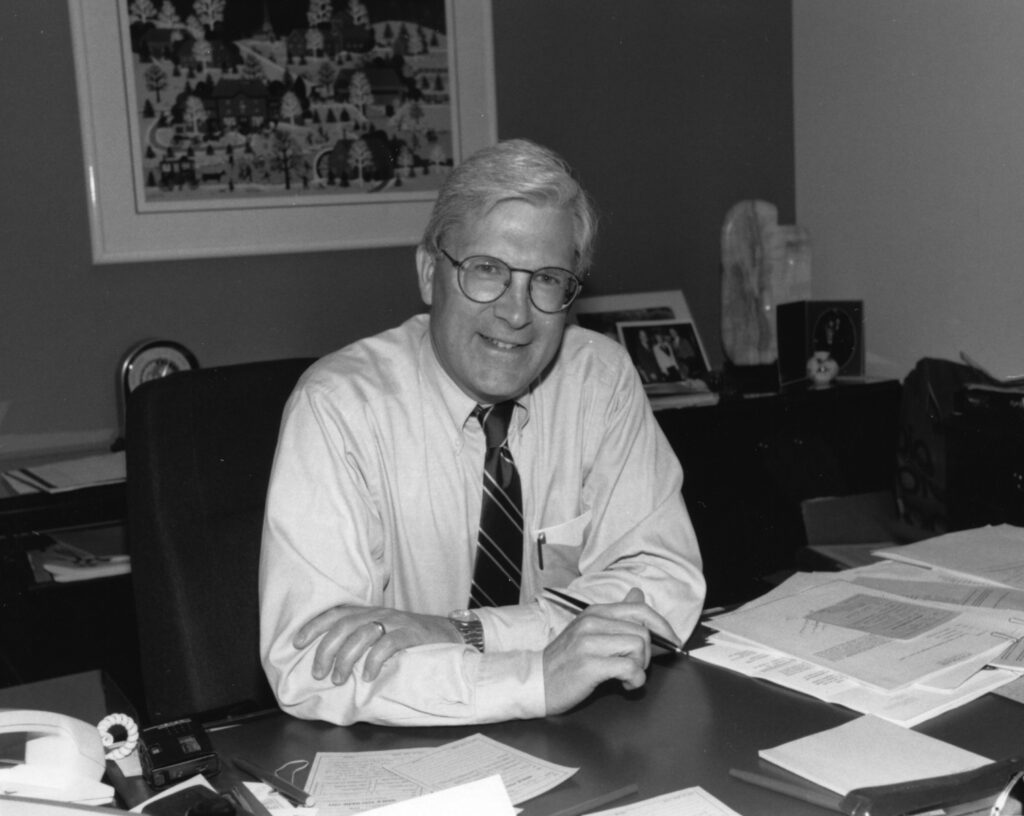
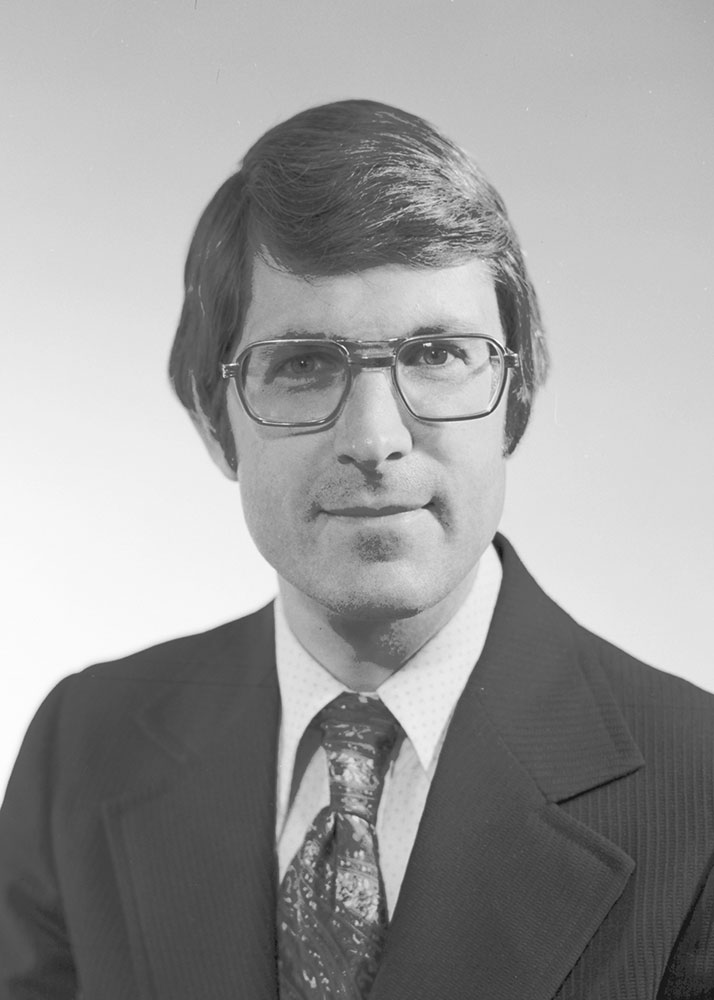
Along the way, he mentored dozens of physicians and scientists, many of whom advanced to impressive positions of their own, leading cancer prevention and public health programs across the country, including within our own Center.
His selfless counsel influenced the work of such figures as Mary Daly, MD, PhD, FACP, who established our Risk Assessment Program to help people with a family history of cancer determine their risk and take steps to reduce it in what has become a national model, and Margie Clapper, PhD, who started one of the first basic research programs to develop preventive interventions for those at the highest cancer risk and to detect the disease in its earliest stages.
“Paul had broad interests in oncology, ranging from current clinical insights to the discipline of population science, which he helped establish,” J. Robert Beck, MD, Professor Emeritus, H.O. West and J.R. Wike Chair in Cancer Research at Fox Chase Cancer Center, said. “As search committee chair, he interviewed me for Fox Chase’s first academic chief information officer, and his questions demonstrated a solid understanding of the issues. Paul was a great mentor and colleague, whose legacy is the scores of thought leaders in oncology who’ve benefited from his scholarship and compassion.”
To say that Dr. Engstrom was a visionary is not enough. He was a doer who would shepherd good ideas, gather needed resources, and form meaningful collaborations to turn such concepts into reality.
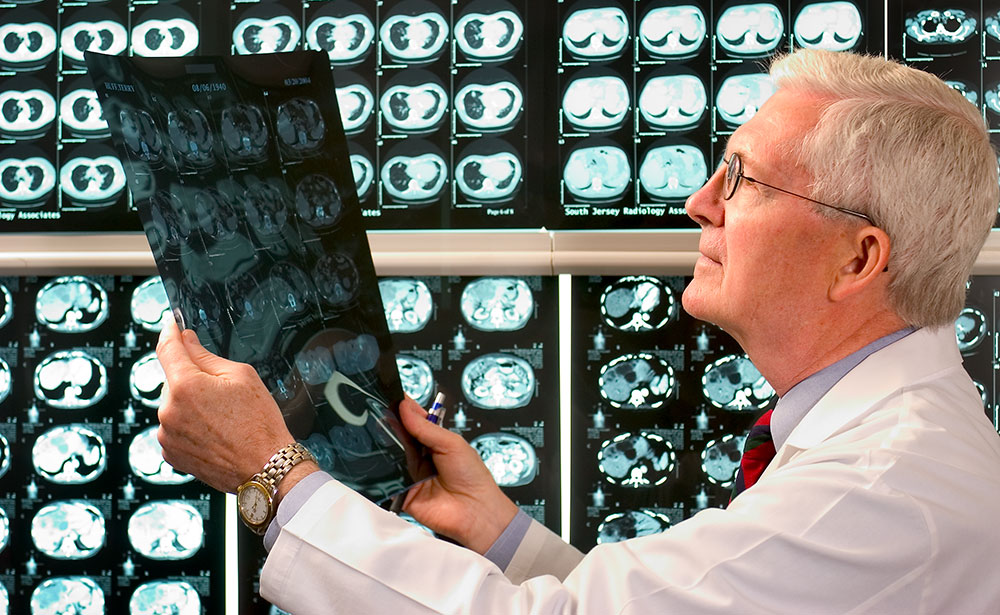
In his clinical practice, Dr. Engstrom specialized in treating patients with gastrointestinal cancers and neuroendocrine tumors. The latter are known as rare and often difficult to treat, with patients sometimes going years before receiving a diagnosis. Undaunted by the challenges of such cases, he devoted himself to the care of his patients, some of whom traveled from far in search of his expertise.
It was my great honor to know Paul and to see firsthand the compassion and dedication he brought to everything and everyone he approached. In a world so often consumed by self-interests, he shared himself, his kindness, and his knowledge so freely, encouraging others’ success as well as his own. He was an unassuming man who saw potential for advancement in his world and enacted change.
Just as significant as his professional work and collaborations were his personal accomplishments. He was a family man who took great joy in being with those he loved. He is survived by his wife, Janet; children Karin, David, and Maria; and eight grandchildren.
To honor his legacy, members of the Fox Chase community, including patients, family, former trainees, and faculty established the Paul F. Engstrom Professorship in Oncology, a position Igor Astsaturov, MD, PhD, has held since 2023.
Paul Engstrom was a rarity in this world and he will be missed beyond measure.
A celebration of life for Dr. Engstrom will be held on Friday, Feb. 6 at Christ’s Lutheran Church (700 East Pennsylvania Avenue) in Oreland, PA. Visitation will be from 10:00 a.m. to 11:00 a.m. and the service will be held at 11:00 a.m.
Memorial gifts can be made to Fox Chase Cancer Center and mailed to 333 Cottman Avenue, Philadelphia, PA 19111 or made online. Memorial gifts may also be made to Christ’s Lutheran Church.
The author is:
President and CEO, Fox Chase Cancer Center;
EVP, Cancer Services, Temple University Health System;
Professor,
Senior associate dean for clinical cancer research,
Lewis Katz School of Medicine,
Temple University