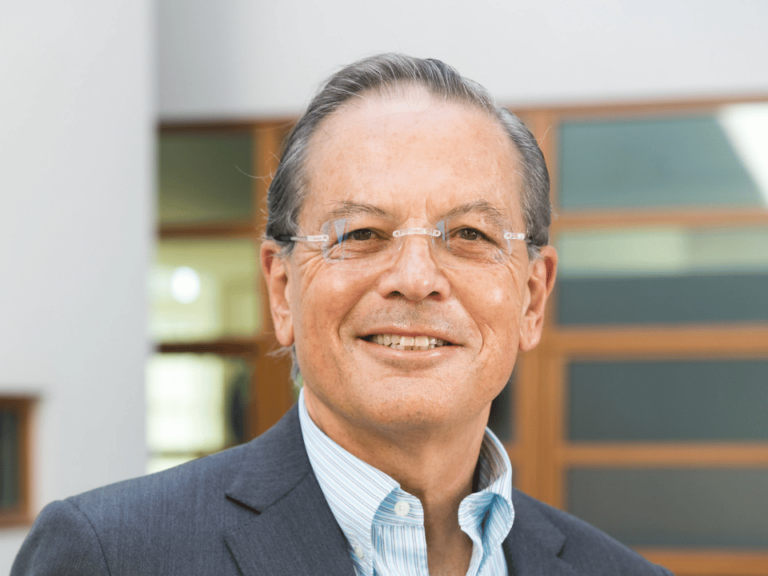
RAYMOND DUBOIS was named the next dean of The Medical University of South Carolina College of Medicine. DuBois will assume his new role effective March 1, 2016, with an academic appointment as professor while also holding an appointment in the Hollings Cancer Center.
DuBois currently serves as executive director of the Biodesign Institute at Arizona State University. Prior to his appointment at Arizona State, DuBois was provost and executive vice president at MD Anderson Cancer Center, overseeing all research, education, training and faculty development.
Prior to joining MD Anderson, DuBois was a professor at Vanderbilt University Medical Center in the departments of Internal Medicine and Cancer Biology, director of the Vanderbilt-Ingram Cancer Center, and prior to that, chief of Gastroenterology, Hepatology and Nutrition.
DuBois has served in many leadership roles, among them as past president of the American Association for Cancer Research and the International Society for Gastrointestinal Cancer. DuBois will continue his leadership in cancer discovery through his ongoing research, engagement with the NCI, and through partnership with the Hollings Cancer Center. He also currently serves on the Executive Management Committee for the Stand Up to Cancer Foundation, and is the president and chair of the AACR Foundation Board.