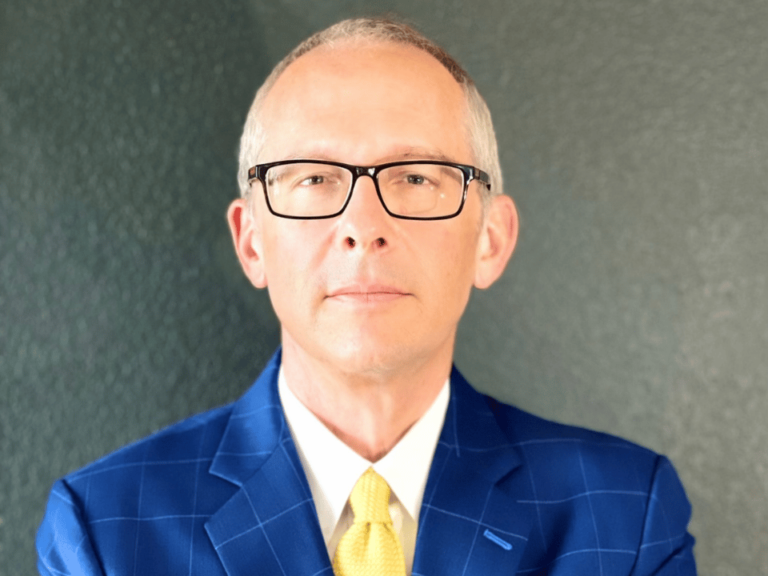
D. GARY GILLILAND was named president and director of the Fred Hutchinson Cancer Research Center, effective Jan. 2, 2015.
Gilliland comes from the University of Pennsylvania’s Perelman School of Medicine, where he served as vice president of precision medicine. Previously, he was an executive at Merck Research Laboratories, a professor of medicine for more than 20 years at Harvard Medical School, and a Howard Hughes Medical Institute investigator.
He directed the leukemia program at Dana-Farber/Harvard Cancer Center, and was also a professor of stem cell and regenerative biology.His research has focused on the genetic basis of blood cancers.
He will become the fifth president and director of Fred Hutch, taking over for Mark Groudine, the acting president and director. He is preceded by Lawrence Corey, Nobel laureate Lee Hartwell, Robert Day, and founder William Hutchinson.
According to the center, Gilliland is hopeful that immunotherapy can be successfully applied against a host of diseases that are caused by viruses, from hepatitis C to Burkitt lymphoma and other infectious disease-related cancers, which account for about a quarter of all malignancies worldwide.He also wants to focus on the development of targeted cancer therapies, working with the University of Washington.
Gilliland has received the William Dameshek Prize from the American Society of Hematology, the Emil J. Freireich Award from the MD Anderson Cancer Center, and the Stanley J. Korsmeyer Award from the American Society for Clinical Investigation, of which he is an elected member. He is also an elected member of the American Association of Physicians.