Gradalis Inc. and the Icahn School of Medicine at Mount Sinai established a research alliance to advance the scientific understanding of the Gradalis Vigil Engineered Autologous Tumor Cell therapy.
Under the agreement, Gradalis will provide funding and clinical samples for studying the immune response to the therapy.
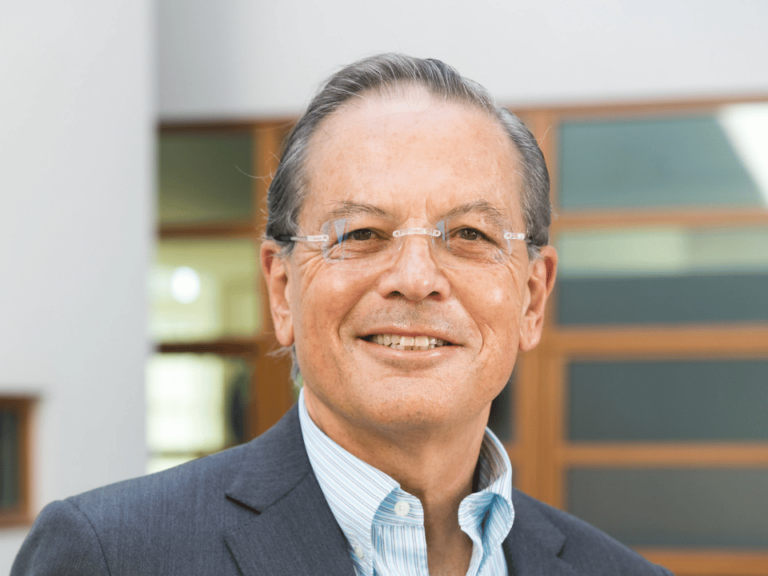
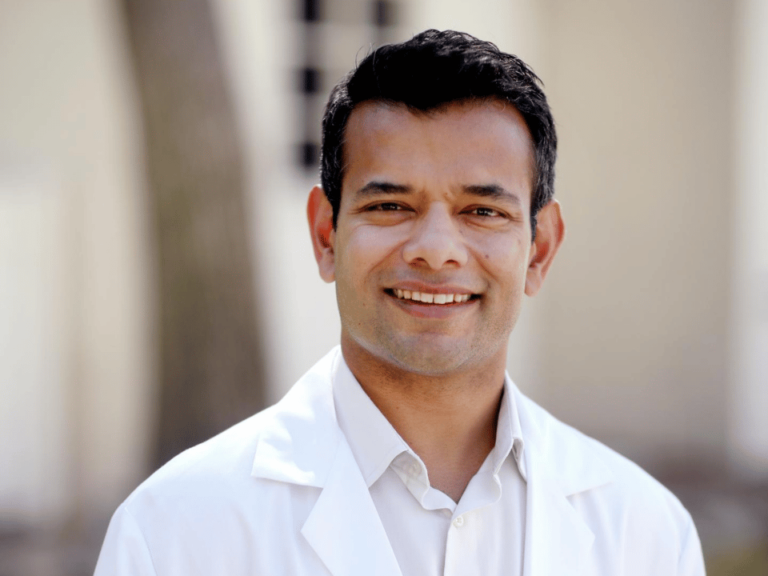
The research collaboration will be jointly headed by Gradalis’ Chief Scientific Officer John Nemunaitis and Seunghee Kim-Schulze, assistant professor of medicine and facility director, Human Immune Monitoring Core at The Tisch Cancer Institute at the Icahn School of Medicine at Mount Sinai.
The collaboration will span multiple clinical trials including the recently completed first in human study and ovarian phase 2A study. Additional collaboration efforts may be initiated to support ongoing registrational clinical trials in Ewing’s sarcoma and ovarian cancer, as well as trials exploring the combination of Vigil and PD-1/PDL-1 inhibitors in non-small cell lung cancer, melanoma and triple negative breast cancer.
With Vigil, a patient’s tumor cells are engineered with a plasmid carrying the gene vector for shRNA Furin and GMCSF to elicit a systemic T-cell directed immune response when administered to the patient through intradermal injections.