The American Society of Clinical Oncology May 16 released the nearly 5,800 abstracts that will be presented and published at its annual meeting next month.
The annual meeting will take place in Chicago June 1-5. The abstracts are posted here.
At a press conference May 16, ASCO highlighted six studies that span the spectrum of cancer care:
In the largest phase III clinical trial of children and young adults with T-cell leukemia or lymphoma, 90% of participants lived four years or more after completing treatment regimens on this trial. The addition of nelarabine to standard chemotherapy improved disease-free survival for patients who have an increased risk of recurrence. More information is available here.
A phase III randomized clinical trial of 4,089 women with HER2-positive, early-stage breast cancer shows that treatment with trastuzumab for 6 months can be as effective as the current standard of 12 months in preventing relapse and death and can reduce side effects. More information is available here.
In a clinical trial of people with head and neck cancers receiving radiation, patients who used mobile and sensor technology to track and send data about their symptoms to their physicians daily had lower symptom severity than participants who had weekly visits with their doctors. More information is available here.
An economic model of tumor genetic testing for patients with metastatic non-small-cell lung cancer showed that it is faster and more cost-effective to have a complete set of cancer-related genes analyzed using next generation gene sequencing (NGS) than testing individual genes one at a time or small numbers of genes sequentially. More information is available here.
A randomized clinical trial of 160 cancer survivors with clinically diagnosed insomnia showed that those who received cognitive behavioral therapy had greater decreases in the severity of their insomnia after eight weeks than survivors who received acupuncture, although both had clinically meaningful and durable effects. More information is available here.
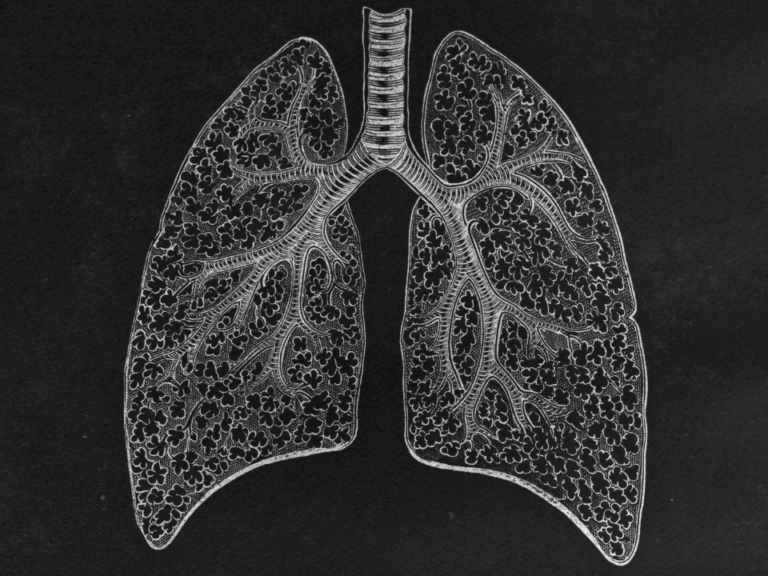
An analysis of nearly 1,800 lung cancer screening sites nationwide found that less than 2% of current and former heavy smokers were screened for lung cancer in 2016, even though lung cancer screening has been proven to save lives. More information is available here.