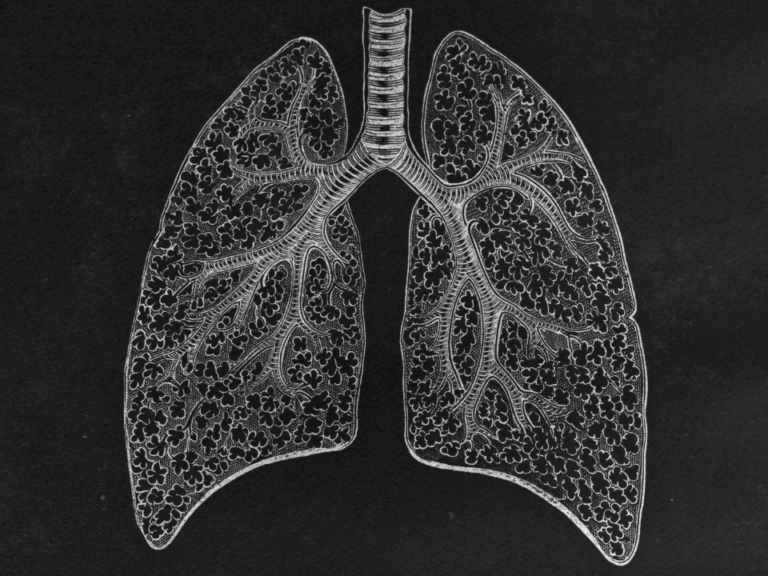
An investigational therapy significantly shrank lung cancer tumors that are notoriously resistant to treatment by encouraging an attack from natural killer cells in an animal model, a study led by UT Southwestern Medical Center researchers shows. The findings, published in the Journal for ImmunoTherapy of Cancer, could lead to new types of immunotherapy that rely on this novel strategy.
To access this subscriber-only content please log in or subscribe.
If your institution has a site license, log in with IP-login or register for a sponsored account.*
*Not all site licenses are enrolled in sponsored accounts.
Login Subscribe
If your institution has a site license, log in with IP-login or register for a sponsored account.*
*Not all site licenses are enrolled in sponsored accounts.
Login Subscribe