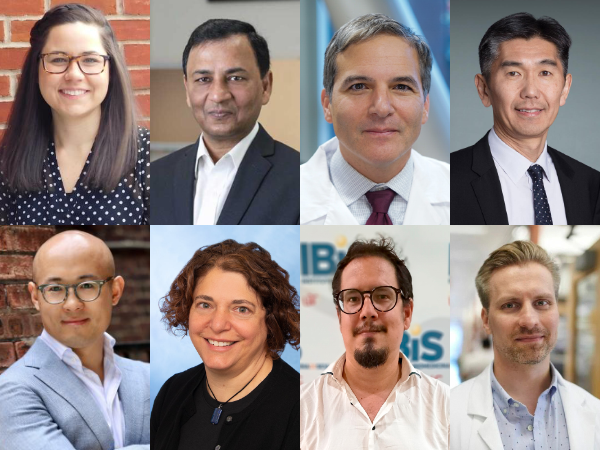
In a phase II clinical trial, a research team led by Nilofer Azad, professor of oncology and co-leader of the Kimmel Cancer Center’s Cancer Genetics and Epigenetics Program, and Marina Baretti, the Jiasheng Chair in Hepato-Biliary Cancer at the Kimmel Cancer Center, tested the safety and efficacy of the combination of two drugs: an immunotherapy, nivolumab, and an epigenetic drug, entinostat—a histone deacetylase inhibitor.
To access this subscriber-only content please log in or subscribe.
If your institution has a site license, log in with IP-login or register for a sponsored account.*
*Not all site licenses are enrolled in sponsored accounts.
Login Subscribe
If your institution has a site license, log in with IP-login or register for a sponsored account.*
*Not all site licenses are enrolled in sponsored accounts.
Login Subscribe