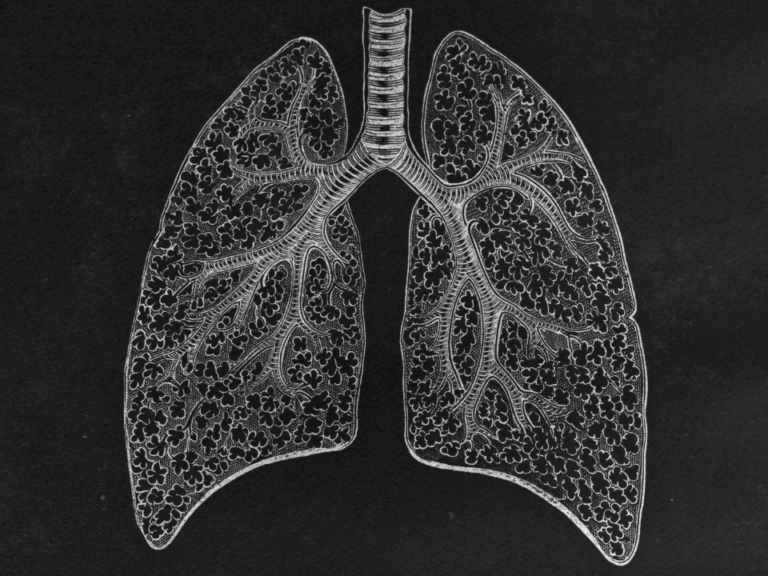
Scientists have identified a potential driver of aggressive lung cancer tumors in patients who live in areas with high levels of violent crime. Their study found that stress responses differ between those living in neighborhoods with higher and lower levels of violent crime, and between cancerous and healthy tissues in the same individuals.
To access this subscriber-only content please log in or subscribe.
If your institution has a site license, log in with IP-login or register for a sponsored account.*
*Not all site licenses are enrolled in sponsored accounts.
Login Subscribe
If your institution has a site license, log in with IP-login or register for a sponsored account.*
*Not all site licenses are enrolled in sponsored accounts.
Login Subscribe