Cancer screening rates are significantly lower in FQHCs

Share on facebook
Share on twitter
Share on linkedin
Share on email
Share on print

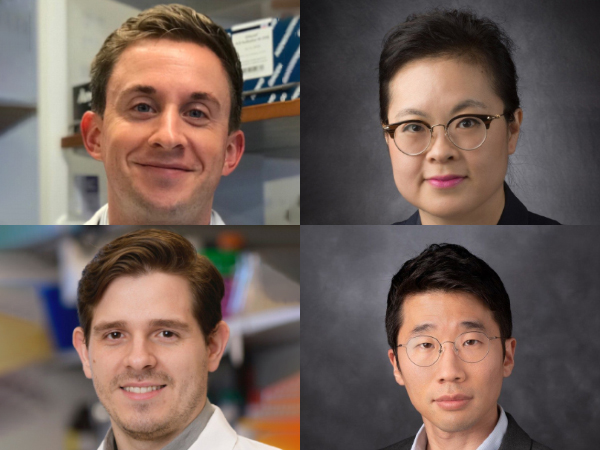
A national study led by researchers at MD Anderson Cancer Center and the University of New Mexico Comprehensive Cancer Center found major gaps in breast, cervical, and colorectal cancer screening use in Federally Qualified Health Centers in the US, relative to overall screening rates in the country.

To access this subscriber-only content please log in or subscribe.

If your institution has a site license, log in with IP-login or register for a sponsored account.*
*Not all site licenses are enrolled in sponsored accounts.

Login Subscribe
Table of Contents

YOU MAY BE INTERESTED IN

Recently, HHS Secretary Robert F. Kennedy Jr. posted a video montage featuring himself shirtless in jeans, working out with Kid Rock. The duo is in a blue-lit grotto with a cold plunge and sauna. Set to Kid Rock’s “Bawitdaba” and intercut with a selection of patriotic imagery, the video ends with the two men in a hot tub, chugging what appears to be milk.
A three-year grant from Lilly to Roswell Park Comprehensive Cancer Center is bringing rich lung health resources to Indigenous workplaces located across North America. Collaborating with human resources specialists with Tribal Nations and communities covering many regions of the U.S. and Canada, Roswell Park’s Department of Indigenous Cancer Health team will provide lung cancer screening workflow resources, lung wellness education, and patient navigation services for thousands of eligible individuals.
Patients with leptomeningeal metastasis have historically had few treatment options. Now, researchers from The University of Texas MD Anderson Cancer Center have found a combination of targeted therapies, tucatinib and trastuzumab, plus the chemotherapy drug, capecitabine, may improve symptoms and extend survival in some breast cancer patients with LM. 
The University of Kansas Cancer Center and its outreach network, the Masonic Cancer Alliance, announced a new effort to provide cancer screening throughout the cancer center’s catchment area. Known as HOPE on Wheels: Health, Outreach, Prevention, and Education, a 42-foot bus will help ensure that geography isn’t a barrier to detecting cancers earlier.

Never miss an issue!

Get alerts for our award-winning coverage in your inbox.

Login