UCLA study: High-dose radiotherapy + chemo effective in treating NSCLC

Share on facebook
Share on twitter
Share on linkedin
Share on email
Share on print

A study led by researchers from the UCLA Health Jonsson Comprehensive Cancer Center showed that using high doses of radiation while integrating an ablative radiotherapy technique called stereotactic ablative radiotherapy concurrently with chemotherapy is safe and effective in treating people with locally advanced non-small cell lung cancer that is not suitable for surgery.

To access this subscriber-only content please log in or subscribe.

If your institution has a site license, log in with IP-login or register for a sponsored account.*
*Not all site licenses are enrolled in sponsored accounts.

Login Subscribe
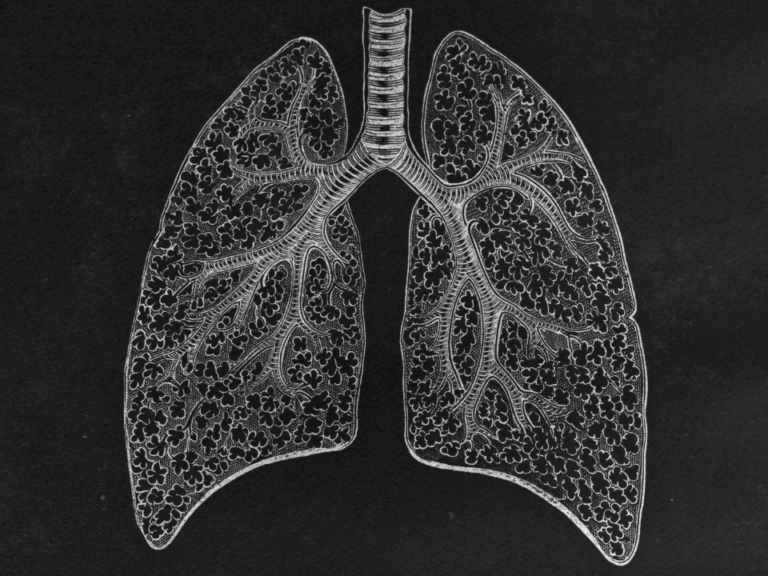
Table of Contents

YOU MAY BE INTERESTED IN

Jason Chiang and Kyung Sung of the Department of Radiological Sciences at the David Geffen School of Medicine at UCLA and the UCLA Health Jonsson Comprehensive Cancer Center have received a $3.2 million, five-year grant from NCI to develop an artificial intelligence-enhanced imaging platform designed to improve yttrium-90 (Y90) radioembolization planning for patients with liver cancer.
Scientists at the UCLA Health Jonsson Comprehensive Cancer Center have developed a cytokine-armored CAR T-cell therapy that helps the immune system better attack aggressive brain tumors in mice while reducing dangerous side effects that have long limited immune-based treatments for glioblastoma, one of the deadliest and most treatment-resistant brain cancers.

Never miss an issue!

Get alerts for our award-winning coverage in your inbox.

Login