

NeXT Personal, a highly sensitive molecular residual disease test, is a strong predictor of outcomes in patients with stage II-IIIb, EGFR-mutated non-small cell lung cancer receiving neoadjuvant therapy, according to data from NeoADAURA phase III clinical trial run by AstraZeneca.
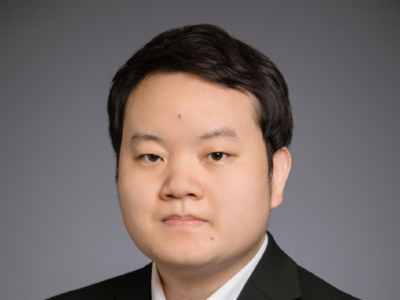
Hua Wang, an assistant professor in the departments of Material Science & Engineering, Bioengineering, Materials Research Lab, and Biomedical and Translational Sciences, finetunes an important technology in biomaterial chemistry at the Cancer Center at Illinois, which could potentially make way for more potent cancer immunotherapies.
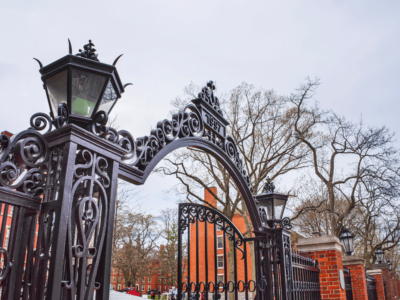
A federal judge ruled that the Trump Administration’s move to cut research funding to Harvard University was illegal—restoring more than $2 billion and all future grants to the institution.
Julie BaumanRyan BurriNRG Oncology, an NCI National Clinical Trials Network group focused on multi-center clinical research, appointed Julie Bauman as deputy chair of the Community Oncology Research Program.
The American Lung Association in the District announced the opening of its 2026-2027 Research Awards and Grants cycle. Researchers across disciplines are encouraged to apply.

Phil and Penny Knight made a record-setting $2 billion gift to OHSU Knight Cancer Institute.

Mary Beckerle, a whitewater kayaker, has advice for all the folks in the cancer field: never catastrophize, never panic.
The Government Accountability Office, an independent, non-partisan congressional watchdog agency, found that NIH violated the Impoundment Control Act of 1974 when it cancelled nearly 2,000 research grants in an effort to comply with several of President Donald Trump’s executive orders, including “Ending Radical And Wasteful Government DEI Programs And Preferencing” (The Cancer Letter, Jan 24, 2025).
EPCORE FL-1 phase III trial results show that subcutaneous epcoritamab in combination with rituximab and lenalidomide reduced the risk of disease progression or death by 79% for patients with relapsed/refractory follicular lymphoma.
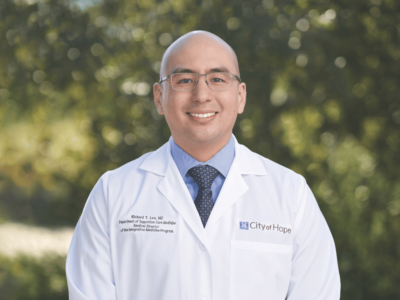
The landscape of cancer care is evolving rapidly, with growing recognition that optimal patient outcomes require a whole-person care approach that goes beyond cytotoxic and targeted therapies.


