Conversation with The Cancer LetterFree UMANA’s Solomiya Grushchak: Ukrainians are willing to sacrifice and uphold our culture even in times of crisis March 04, 2022Vol.48 No.09By Matthew Bin Han Ong
Free Giving chemo in bomb shelters, Ukrainian oncologists treat and evacuate patients March 04, 2022Vol.48 No.09By Alice Tracey
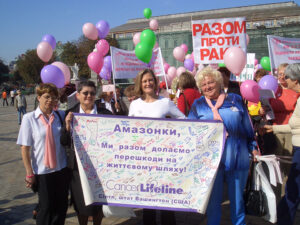
FreeGuest Editorial Reflecting on 25 years of collaboration and friendship with cancer patients and physicians in Ukraine March 04, 2022Vol.48 No.09By Julie R. Gralow
FreeGuest Editorial Nuclear issues and the Russian invasion of Ukraine—an update March 04, 2022Vol.48 No.09By Robert Peter Gale
FreeGuest Editorial Ukraine invasion: How the cancer community can help March 04, 2022Vol.48 No.09By Wafik S. El-Deiry
FreeObituary John Mark Cleland, first man to be cured of metastatic testicular cancer, dies at 71 February 25, 2022Vol.48 No.08By Lawrence H. Einhorn and Daniel F. Hayes
Wake Forest’s entire EAB resigns in protest as director Boris Pasche is fired February 25, 2022Vol.48 No.08By Paul Goldberg
Black History MonthCancer History ProjectFree Black History Month panel: “We need to talk about justice” February 25, 2022Vol.48 No.08By Alexandria Carolan and Alice Tracey
Guest Editorial The Russian invasion of Ukraine:Implication for hematologists and oncologists February 25, 2022Vol.48 No.08By Robert Peter Gale