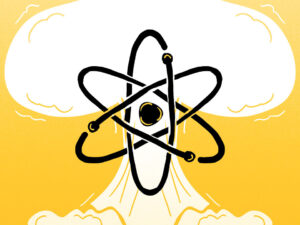
Guest Editorial War in Ukraine: The nuclear threat increases March 25, 2022Vol.48 No.12By Robert Peter Gale
Cancer History ProjectConversation with The Cancer LetterFree Carol Fabian on breast cancer prevention and tissue sampling using fine needle aspiration March 25, 2022Vol.48 No.12By Alexandria Carolan
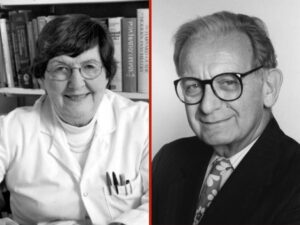
FreeIn the Archives The scientific contributions of James and Jimmie Holland March 25, 2022Vol.48 No.12
DOJ takes over whistleblower suit claiming Memphis Methodist health system and West clinic ran afoul of false claims and anti-kickback laws March 18, 2022Vol.48 No.11By Paul Goldberg
Conversation with The Cancer LetterFree Ukraine NCI’s Nataliia Verovkina: “I returned to Kyiv. I’m doing my job. We will stand, and we will win.” March 18, 2022Vol.48 No.11By Matthew Bin Han Ong
FreeObituary Donald Pinkel, St. Jude founding medical director who brought the word “cure” to cancer, dies at 95 March 18, 2022Vol.48 No.11By Tim Wendel
FreeObituary Reflecting on Donald Pinkel’s legacy as a physician, scientist, and humanitarian March 18, 2022Vol.48 No.11By Mary Pinkel
Cancer History ProjectFree Tim Wendel on the “Cancer Cowboys” and getting to know the ALGB March 18, 2022Vol.48 No.11By Alexandria Carolan
FreeIn the Archives The Donald Pinkel Archive: Remembering a “Cancer Cowboy,” civil rights advocate, and groundbreaking pediatric oncologist March 18, 2022Vol.48 No.11
Free To help Ukraine’s cancer patients, a coalition of U.S., European cancer groups aims to provide a coordinated response March 11, 2022Vol.48 No.10By Matthew Bin Han Ong