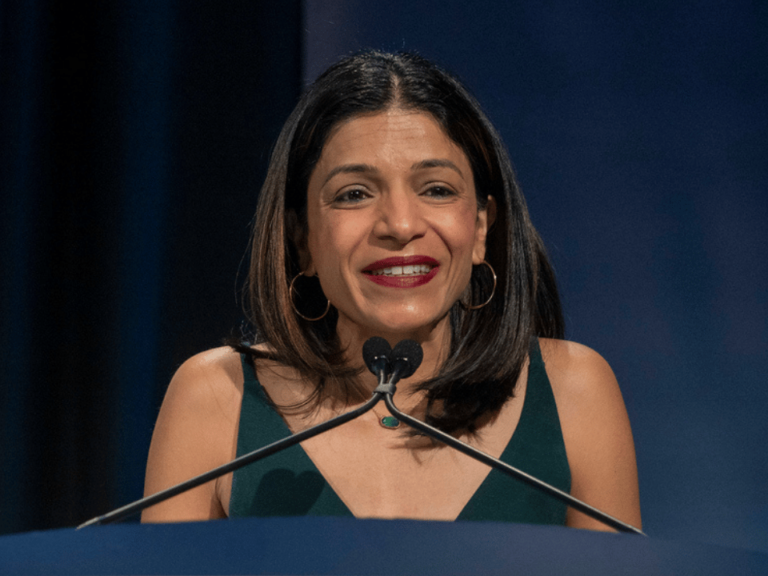
Matthew Bin Han Ong, associate editor of The Cancer Letter, was named by the Poynter Institute and The Washington Post to the Leadership Academy for Diversity in Digital Media.

Ong is part of a class of 32 journalists who were selected from over 130 applicants, who “are pioneers in digital media who have demonstrated an aptitude for leadership through current projects and references.”
They were selected by a committee that included graduates of the program, with an emphasis on ensuring diversity across race and ethnicity, geography, technology platforms, organization size and skill sets.
“The need for diversity in newsroom leadership isn’t new, but the urgency is greater than ever as we have seen from the racial reckoning happening across our industry. This academy not only better equips participants to lead through times of uncertainty, but it provides them with an essential network of fellow managers to support them as they grow in their careers,” Doris Truong, Poynter’s director of training and diversity, said in a statement Aug. 5. “Together, they are going to be extremely powerful in their work to ensure inclusion and equity—not only from fellow staff members but also in the types of news and the communities they cover.”
Ong will join a network of over 100 inductees.
“The Washington Post is committed to deepening the national conversation on issues of race and identity,” Carla Broyles, senior editor at The Post, said in a statement. “Partnering with Poynter furthers that commitment by providing a leadership training platform where journalists of color can find community and strengthen their skills for the critical work ahead.”
The Academy is also sponsored by CNN, Craig Newmark Philanthropies, the Scripps Howard Foundation, TEGNA Foundation, and the Ethics and Excellence Journalism Foundation.