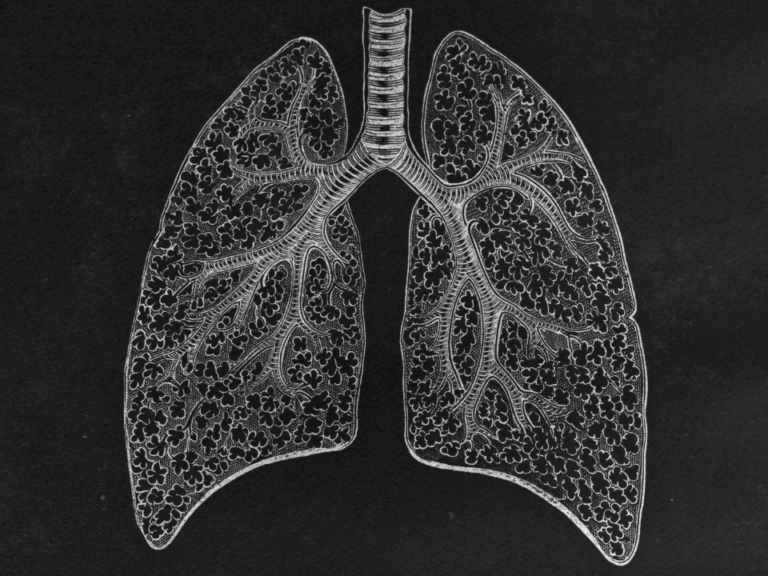
Older patients left behind in progress against lung cancer, Yale study shows

Share on facebook
Share on twitter
Share on linkedin
Share on email
Share on print

Although widespread use of immune checkpoint inhibitors in patients with advanced lung cancer has led to meaningful improvements in survival in younger patients, older patients have not experienced similar survival benefits, new research from Yale Cancer Center shows. 

To access this subscriber-only content please log in or subscribe.

If your institution has a site license, log in with IP-login or register for a sponsored account.*
*Not all site licenses are enrolled in sponsored accounts.

Login Subscribe
Table of Contents

YOU MAY BE INTERESTED IN

Tagrisso (osimertinib) demonstrated a sustained, clinically meaningful overall survival benefit at eight years compared to placebo in the adjuvant treatment of patients with early-stage (1B, 2, and 3A) epidermal growth factor receptor-mutated non-small cell lung cancer after complete tumor resection with curative intent, according to the updated exploratory results from the ADAURA phase III trial. 
Hansoh Pharmaceutical Group announced positive overall survival data from ARTEMIS-008, its pivotal phase III trial in China, evaluating the B7-H3-targeted antibody-drug conjugate risvutatug rezetecan (Ris-Rez) versus topotecan in patients with relapsed small cell lung cancer whose disease progressed following platinum-based first-line therapy.

Never miss an issue!

Get alerts for our award-winning coverage in your inbox.

Login