

Mark Cosentino has joined City of Hope as scientific director of the new Kathleen and Robert Henderson Biorepository, which is designed to be a best-in-class facility that collects and organizes tissue samples and other biological materials across City of Hope’s national system to further boost its cancer and other research.

With recent leaps in artificial intelligence, there is major potential to turn computing advances into gains for human health.

Cancer care is at an inflection point. The traditional boundaries between academic and community oncology are dissolving, requiring a reimagined approach to patient care and clinical research. At City of Hope, we are implementing a national model that integrates breakthrough research with accessible, advanced treatment across diverse geographic regions.
Researchers at City of Hope have found that cell mutations are necessary but not always sufficient for tumors to form. Instead, they suggest that additional risk factors that promote tumor growth, like chronic inflammation, are a key trigger for tumor formation.

The thymus gland, in many ways, remains a mystery. The thymic regeneration division of the laboratory of Marcel van den Brink, president of City of Hope Los Angeles and City of Hope National Medical Center, is trying to tease out its secrets.

As a physician-scientist, I navigate the intersection of laboratory research and clinical care every day. At City of Hope, our mission is to rapidly translate groundbreaking discoveries into effective treatments for patients with hematologic malignancies, particularly acute leukemias. This is possible due to a unique combination of infrastructure and culture combined with an unwavering sense of urgency.

The field of surgical oncology has undergone transformative advancements over the last decade. From refining minimally invasive techniques to leveraging immunotherapy and viral oncolytics, our collective goal remains the same: improving patient outcomes while reducing treatment burden. At City of Hope, we have prioritized accelerating the translation of laboratory discoveries into clinical applications, and nowhere is this more evident than in our work with oncolytic viruses, remote surgery, and the integration of AI in surgical decision-making.
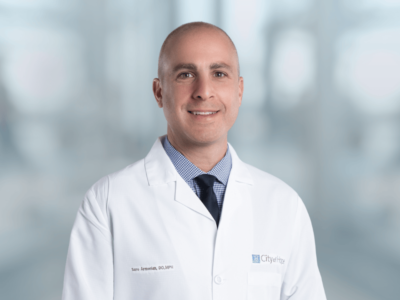
In the evolving landscape of pediatric oncology, survivorship research has become an essential component of our mission to improve long-term patient outcomes. At City of Hope, we are focused on not only curing childhood cancers but also ensuring that survivors live the healthiest lives possible. A significant part of my research has been dedicated to mitigating the long-term toxicities of cancer therapy—particularly cardiovascular complications that can arise decades after treatment.
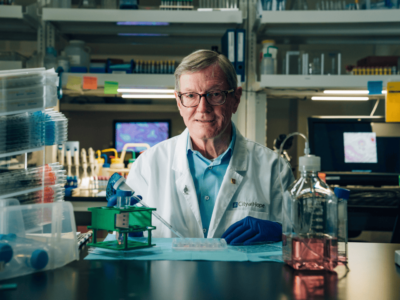
John A. Zaia, director of the Center for Gene Therapy at City of Hope, died on Feb. 11 following a battle with pancreatic cancer. He was 82.

Is the Community Outreach and Engagement mandate the next item on the chopping block as the Trump administration makes its mark on science policy? What about health disparities research?


