

Acute lymphoblastic leukemia cells from patients whose cancers did not respond to CD19-targeted CAR T-cell therapy had gene regulation signatures that could potentially facilitate treatment resistance, according to results presented at the 2022 AACR annual meeting, April 8-13.
Combination immunotherapy with the anti-PD-L1 monoclonal antibody durvalumab and other novel agents outperforms durvalumab alone in the neoadjuvant (pre-surgical) setting for early-stage non-small-cell lung cancer, researchers from The University of Texas MD Anderson Cancer Center reported at the 2022 AACR annual meeting.
Researchers at The University of Texas MD Anderson Cancer Center have developed a bioinformatics platform that predicts optimal treatment combinations for a given group of patients based on co-occurring tumor alterations. In retrospective validation studies, the tool selected combinations that resulted in improved patient outcomes across both pre-clinical and clinical studies.
Combining a retrospective analysis of clinical records with in-depth laboratory studies, researchers at The University of Texas MD Anderson Cancer Center have discovered that vitamin E can enhance immunotherapy responses by stimulating the activity of dendritic cells in the tumor.
Susana Garcia-Recio, a research associate in the lab of Charles M. Perou at the UNC Lineberger Comprehensive Cancer Center, presented findings at the 2022 AACR annual meeting that identified molecular features responsible for the development and progression of metastatic breast cancer.
Following an analysis of over 12,000 human genes, research from Yale Cancer Center indicated there is cancer-relevant importance in a much larger proportion of human genes than current cancer research models suggest.
Data generated using the Duomic platform, sponsored by IsoPlexis Corporation, demonstrated the ability to connect T-cell receptor diversity to the most functionally potent single cells, according to findings presented at the 2022 AACR annual meeting.
FDA granted fast tack status to Bria-IMT for the treatment of metastatic breast cancer.

Last week, I became obsessed with reports that Vladimir Putin is a believer in an unproven remedy that involves bathing in blood drained from the horns of Siberian red deer.
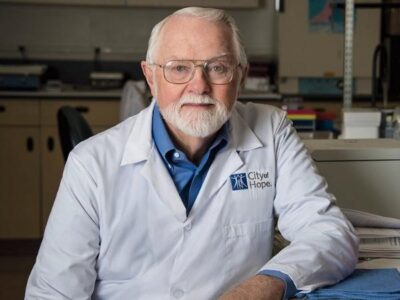
Arthur D. Riggs, the diabetes expert who developed the technology that led to the first human synthetic insulin for the treatment of diabetes, died March 23 at age 82 after battling cancer. A biotechnology pioneer and a longtime leader at City of Hope, Riggs served as director emeritus of Beckman Research Institute of City of Hope... […]


