Clinical RoundupFree Study raises concerns about clinical trial bias from undisclosed censoring December 17, 2021Vol.47 No.46
Drugs & TargetsFree FDA approves Orencia for prevention of acute graft vs. host disease following unrelated donor HSCT December 17, 2021Vol.47 No.46
Drugs & TargetsFree EU CHMP adopts positive opinion for Keytruda as adjuvant therapy in RCC following surgery December 17, 2021Vol.47 No.46
Drugs & TargetsFree Inceptor Bio in-licenses CAR-M Technology from UCSB December 17, 2021Vol.47 No.46
FreeIn Brief WHO and St. Jude form $200M collaboration to increase global access to childhood cancer medicines December 13, 2021Vol.47 No.46
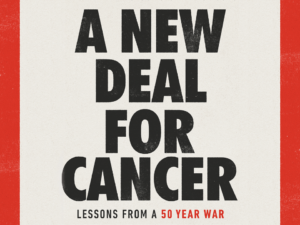
Cancer History ProjectConversation with The Cancer LetterFree A book draws on 50 years of accumulated wisdom, calls for “A New Deal for Cancer” December 10, 2021Vol.47 No.45By Paul Goldberg
FreeIn the Archives A commitment to hope: Richard Nixon and the National Cancer Act December 10, 2021Vol.47 No.45
Cancer History ProjectConversation with The Cancer LetterFree What the NCI cancer centers program looked like in 1975Previously unpublished “memos for the record” by program’s first leader, John Yarbro, tell all December 03, 2021Vol.47 No.44By Paul Goldberg
Cancer History ProjectConversation with The Cancer LetterFree Patricia Ganz on how survivorship went from being an outlier to the mainstream November 19, 2021Vol.47 No.43By Alexandria Carolan