

A continuing resolution passed Congress passed Sept. 28 will avoid a government shutdown and fund federal agencies through Dec. 9.

Two of the nation's biggest nonprofit health systems—Dignity Health and Catholic Health Initiatives—launched a precision medicine program that has the potential to create the largest collection of clinical cancer data ever compiled by a single organization.

The National Cancer Moonshot Initiative is not slated to receive funding in fiscal 2017—neither the House nor Senate appropriations bill includes the $680 million the White House proposed for Vice President Joe Biden's project.

Dan Sargent, one of the world's foremost experts in oncology clinical trials, died unexpectedly on Sept. 22. Sargent died from an acute illness, Mayo officials said. He was 46.

Saul Sharkis, a scientist who studied the biology of blood stem cells and how they could be used to treat cancer through bone marrow transplantation, died Sept. 4. He was 72.

John Christian Bailar III, an epidemiologist and biostatistician known for his criticism of NCI's emphasis on treatment, died Sept. 6. He was 83.

Vice President Joe Biden Sept. 16 announced a series of initiatives to improve the safety, accessibility, and impact of clinical research—one of the central goals of the National Cancer Moonshot Initiative.
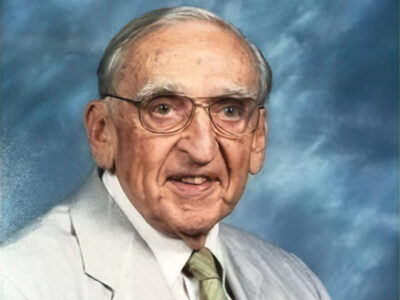
Robert Westscott “Dr. Bob” Frelick died Sept. 1, 2016. He passed away in his sleep after an accident and short illness. He was 96.
NCI will urge increased and sustained appropriations for carrying out ten recommendations put forward by the Blue Ribbon Panel, the institute's scientific advisory panel to the National Cancer Moonshot Initiative.

The Blue Ribbon Panel—a group of experts selected to identify scientific opportunities for the National Cancer Moonshot Initiative—has submitted 10 recommendations to the National Cancer Advisory Board.


