


Duke University would have avoided embarrassment, a misconduct investigation and a lawsuit, had its top administrators paid closer attention to a thoughtful report by a medical student who saw problems in the lab of the disgraced scientist Anil Potti.

The House Committee on Energy and Commerce is spearheading legislation aimed streamlining development of drugs and medical devices.
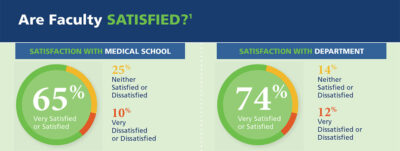
Faculty members at MD Anderson Cancer Center are arguably the most intensely watched cohort in academic medicine. Their angst has been measured four times by three administrative entities over two years.
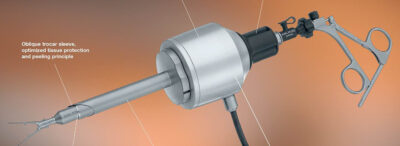
The power morcellator should no longer be used for hysterectomies or fibroid removal in the vast majority of women getting these procedures, FDA declared in a highly anticipated guidance document Nov. 24.

Here is what we know: A surgical device used to perform about 100,000 hysterectomies and myomectomies every year in the U.S. has been shown to spread cells from undetected or missed uterine cancers—rapidly upstaging the disease.

CT screening of the lungs of current and former heavy smokers is about to become a Medicare benefit.
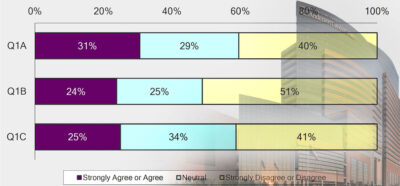
Over the past two years, four separate surveys attempted to gauge the level of faculty morale and satisfaction at MD Anderson Cancer Center.
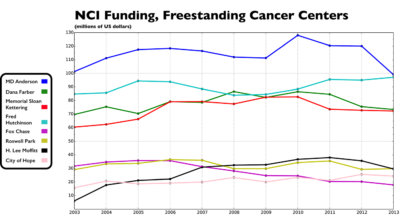
The ten-year period of erosion that followed the doubling of the NIH budget has hit some research institutions harder than others.

On Oct. 21, 1974, John Cleland lay in a hospital bed at Indiana University Hospital.

At its opening a decade ago, the Indiana University Health Proton Therapy Center was one of four such facilities in the U.S.


