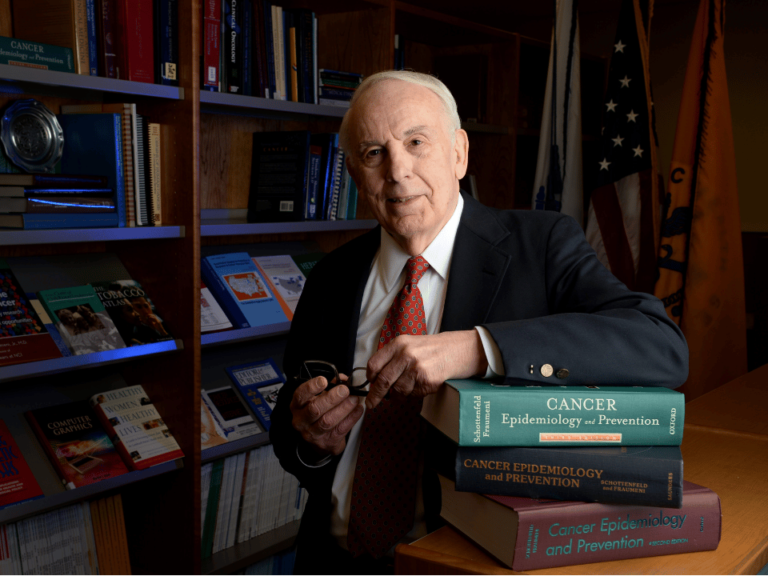
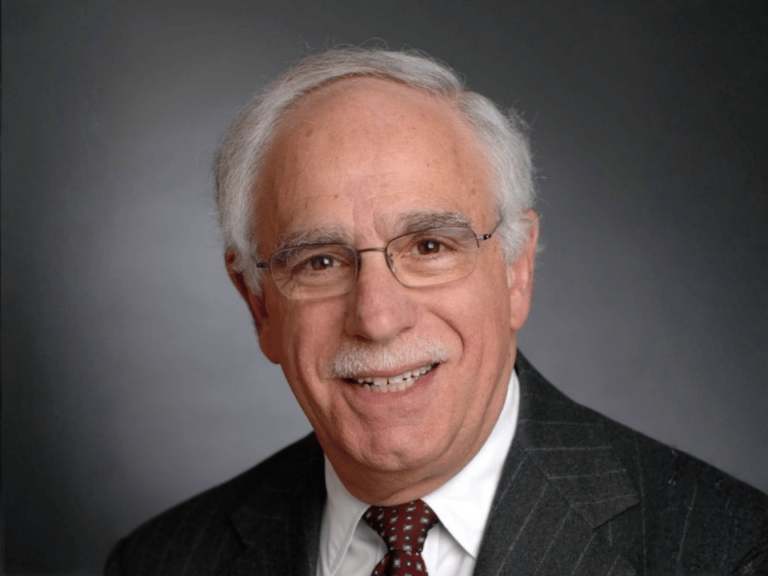
Henry Fung and the Fox Chase-Temple University Hospital Bone Marrow Transplant Program willl receive the Andy Talley Bone Marrow Foundation’s first “Game Changer Award” during the 7th Annual Bash March 3.
The Fox Chase-Temple University Hospital BMT Program is one of only three institutions in the country to provide bloodless transplant procedures for patients who request this complex technique. They earned the status of a “Blue Distinction Center for Transplants” by IBC in 2015 in recognition of the Fox Chase-Temple University Hospital Bone Marrow Transplant Program’s expertise in performing adult bone marrow transplants.
The program is fully accredited by the Foundation for the Accreditation of Cellular Therapy—the gold standard of excellence for blood and bone marrow transplant programs in the United States—and the National Marrow Donor Program.
Fung came to Fox Chase from Rush University Medical Center, where he was a professor of medicine since 2005. He served as director of the section of bone marrow transplant and cell therapy; director of the Coleman Foundation Blood and Marrow Transplant Center, where he also held the Coleman endowed chair; clinical leader of hematologic malignancies; and senior attending physician.
Recognition will also be given to Joseph Pawlowski, a Lycoming College Football player who registered as a potential donor at Lycoming Football’s first “Get in the Game, Save A Life” drive in the spring of 2015, was selected as a match, and in November 2015, he had the opportunity to save a football game on Saturday, and a life just four days later. Pawlowski will be recognized, as will the patient who got a second chance, together for the first time in public.